
How long a furnace lasts in Connecticut
How long does a furnace last in Connecticut?
You want to know if your furnace is nearing the end of its life, or whether you're looking at years left before you need to think about replacing it. With Connecticut winters pushing a furnace hard for months at a time, it helps to know what a normal lifespan actually looks like before deciding whether to repair or replace.
A furnace in Connecticut typically lasts 15 to 20 years
Most furnaces run for 15 to 20 years before they need replacing, and Connecticut winters sit right at the hard end of that range. From October through March, a furnace here runs for long stretches almost every day, and that steady demand wears on the heat exchanger and other parts faster than a mild climate would. A furnace that's seen 15 winters here has worked harder than the same unit would somewhere warmer. Once a furnace passes 15 years, it's worth having it checked each fall rather than assuming it has years left just because it still turns on. How it was sized for your home and how consistently it's been serviced both affect where in that range yours will fall.

The heat exchanger cracks after years of expanding and contracting each winter.
A cracked exchanger lets combustion gases leak into the air your furnace heats.
The furnace's efficiency drops as the burners and blower work harder to keep up.
Replacement becomes the safer and more practical choice over another repair.




Fifteen to twenty winters of steady use wears on a furnace the way it wears on anything run hard, season after season. You'll likely notice it before it quits outright. The furnace cycles on and off more often, trying to hold a temperature it used to hold easily. Some rooms stay cooler than the thermostat reading, no matter how long the furnace runs. The bill creeps up each winter even though you're heating the house the same way you always have, because an older furnace burns more fuel to produce the same heat. Connecticut's power costs are already high, so that extra fuel use shows up fast. A flame that's gone yellow or starts flickering instead of burning a steady blue is worth having looked at before the cold sets in, not after. None of these signs mean the furnace is finished tomorrow. But waiting for it to fail in January means replacing it on the furnace's schedule, not yours, in the middle of the worst weather for it.
What an aging furnace costs you
- A furnace nearing 15 to 20 years old in Connecticut has likely cycled through that many winters of hard, steady use.
- A furnace that shuts off and restarts more than it used to is working harder to hold the house at temperature.
- Rooms that run colder than the thermostat says, even with the furnace running, point to a system losing ground.
- Heating bills that climb season over season without a change in use often mean the furnace is burning more fuel to do the same job.
- A yellow or flickering burner flame instead of a steady blue one is a sign worth having checked before winter sets in.
- Waiting until a furnace fails outright in January means choosing a replacement under pressure instead of on your own schedule.



A local pro for your furnace installation
Send the form and the search for an installer is over.
A local installer who puts in furnaces gets your project.
There's no charge for the request.
Repair the Furnace or Replace It
Keep Repairing
- A furnace under 15 years old with one failed part, like an igniter or flame sensor, is usually cheaper to fix than replace.
- Repairs buy time if the heat exchanger is still sound and the blower runs without strain.
- A furnace that's only cycling more than usual in a cold snap may just need a thermostat check or a filter change.
- If the gas bill hasn't climbed and the house holds heat evenly, the furnace isn't losing efficiency yet.
- Parts for furnaces under 20 years old are generally easier to find, which keeps repair costs down.
Replace Now
- A cracked heat exchanger means the furnace has to be replaced, not repaired, since it affects the air you breathe.
- A furnace past 15 to 20 years has likely seen enough Connecticut winters that a second major repair often isn't worth it.
- Rising gas or electric bills alongside a furnace working harder points to efficiency loss that a repair won't fix.
- Rooms that run colder than they used to, even with the furnace running longer, signal a system that can't keep up anymore.
- A new furnace installed before another hard winter avoids a breakdown when Connecticut temperatures drop fastest.
- Since power here runs expensive, a more efficient furnace cuts into the electric costs tied to the blower and controls.
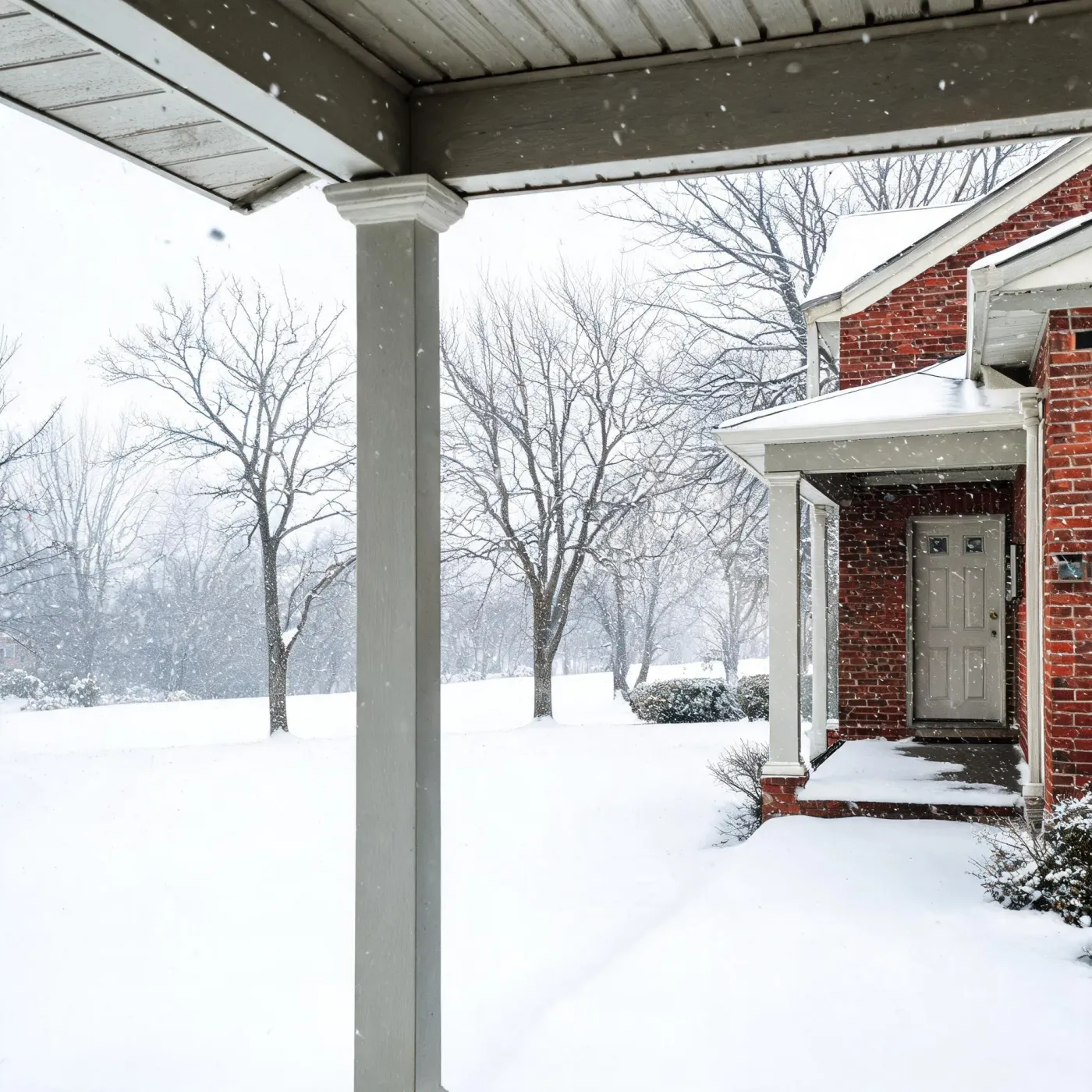
23°F is the average winter night across Connecticut, according to NOAA climate data. That's below freezing for hours at a stretch, and it means your furnace isn't cycling on and off so much as running long stretches just to hold the house steady. The burners and blower stay under load most of the night instead of catching breaks between cycles. Over years of winters like that, the strain adds up on the same parts: the igniter, the blower motor, the heat exchanger. A furnace asked to run this hard this often simply wears through its expected life faster than one in a milder climate would.
NOAA nClimDiv 1991-2020 county normals weighted by homes
Most furnaces in Connecticut run 15 to 20 years before the heat exchanger, the burners, or the blower give out from all those winters of long, steady runs. If yours is in that range and showing the signs, short cycling, cold rooms, a climbing bill, it's closer to the end than the middle. If it's younger and the trouble is one part, fixing it still makes sense. Either way, you don't have to figure out on your own who to call or whether the person who shows up actually knows furnaces. Send the form and that part is off your plate. You'll be matched with a contractor who handles installations like yours, and they'll reach out to look at your specific situation, your house, your furnace, what it's doing, and tell you straight whether this winter is one to replace before or one to get through first.
Get the right pro for your furnace
Send the request and finding a pro stops being your problem.
You only hire the pro if you want to.