Carbon monoxide doesn't announce itself
A cracked exchanger can leak CO into the air your furnace pushes through the house, and you won't smell it or see it. A working CO detector is the only way to catch it.
 Get my match
Tell a local repair pro what your furnace is doing.
A cracked heat exchanger is not something you want to guess about. If your furnace is putting off a smell you notice when it first kicks on, or the flame looks like it's flickering or leaning instead of burning steady, or you've got a headache that only shows up when you've been home a while with the heat running, that is worth taking seriously. Carbon monoxide does not announce itself any other way.
This is not a part you can see without pulling the furnace apart, and it is not a repair to leave half-checked. Connecticut winters mean that furnace runs for months straight, every night, in a closed-up house. A crack that is small in October can be worse by January, and a cracked exchanger is not something to patch and hope with.
What you need is someone who already knows what to look for and has the equipment to check it properly, not a guess over the phone. That means a licensed contractor local to Connecticut, someone who works on furnaces like yours all winter and knows which models and which years tend to run into this.
When you put in a request here, it goes to one contractor, not a handful of companies competing for your callback. That contractor reaches out to you directly, already knowing the kind of furnace you have and what you're dealing with, so you're not explaining your situation from scratch to three different people. They can look at your specific furnace, check the exchanger the right way, and tell you what's actually going on with it.
A furnace that might have a cracked exchanger is not a wait and see situation, especially with how many hours a day it runs here once the cold sets in. Below, you'll find the signs worth checking for yourself before anyone comes out. But if what you're reading sounds like your furnace, the next step is getting someone qualified to look at it in person.
A cracked heat exchanger shows up as a burning or formaldehyde-like smell when the furnace first fires, a flame that flickers or leans instead of sitting steady behind the burner, soot around the unit, or headaches and nausea that ease up once you leave the house. The exchanger is the metal chamber that keeps combustion gas separated from the air moving through your ducts. Years of heating and cooling cause it to expand and contract, and eventually a seam gives way. Once it cracks, carbon monoxide can mix into the air your furnace is pushing through the house. Connecticut winters mean this furnace runs for months at a stretch, so a crack that starts small gets more chances to spread before spring. A furnace that trips its carbon monoxide detector, or one that's old enough to have come with the house, is worth having checked. This isn't something to wait on. If you're seeing any of these signs, a technician needs to look at the exchanger directly and shut the furnace down if it's compromised.


The heat exchanger is the metal wall between the flame and the air your ducts send through the house. Every time the furnace fires, that metal heats up and expands, then cools and contracts again once the burner shuts off. Do that enough winters in a row and the metal gets tired, usually failing first along a seam or a bend where it was already under the most stress. Once it splits, exhaust gases have a path into the air stream instead of going out the vent. One thing worth watching for: a furnace that starts short-cycling, kicking on and off more than it used to, can mean the cracked metal is flexing enough to trip the limit switch. The smell you might notice isn't carbon monoxide itself, since that gas has no odor. It's the other stuff riding along in the exhaust. Because most cracks sit inside the cabinet where you can't see them, a technician checks with a small camera fed into the exchanger itself.




The pro who reaches out is licensed in Connecticut.
Sending the form costs nothing.
The crack doesn't show up on a filter change or a quick look inside the cabinet. A technician has to run the furnace, pull the burners, and check with a camera or a combustion analyzer while it's firing.
That's why a furnace can pass a casual glance for years and still have a crack getting worse underneath. If yours is old enough to have come with the house, it's worth having someone check who knows what to look for.


A cracked exchanger can leak CO into the air your furnace pushes through the house, and you won't smell it or see it. A working CO detector is the only way to catch it.
If a technician finds a crack, that furnace gets shut down on the spot. You're looking at heat going out mid-winter until it's fixed or replaced.
You had someone look at the furnace, or you looked yourself, and nothing seemed wrong. No crack you could see, no smell standing in the basement. But the symptoms you're worried about only show up once the furnace has been running a while, and that's left you wondering whether a quick look is even worth much.
The exchanger is sitting there cold and intact when the furnace is off, even if a crack has already started along a seam. Heat is what opens it up. As the burners fire, the metal expands, and a weak spot that's been fatiguing for a while can pull apart just enough to let exhaust gases cross into the air stream. Once the furnace shuts off and the metal cools back down, that gap can close again, tight enough to hide from a flashlight and a cold-eye check. That's the whole reason this isn't something you catch by opening the cabinet when the system is idle. It has to be checked while it's running, with a camera or a combustion analyzer on it, to see what the metal is doing under heat.
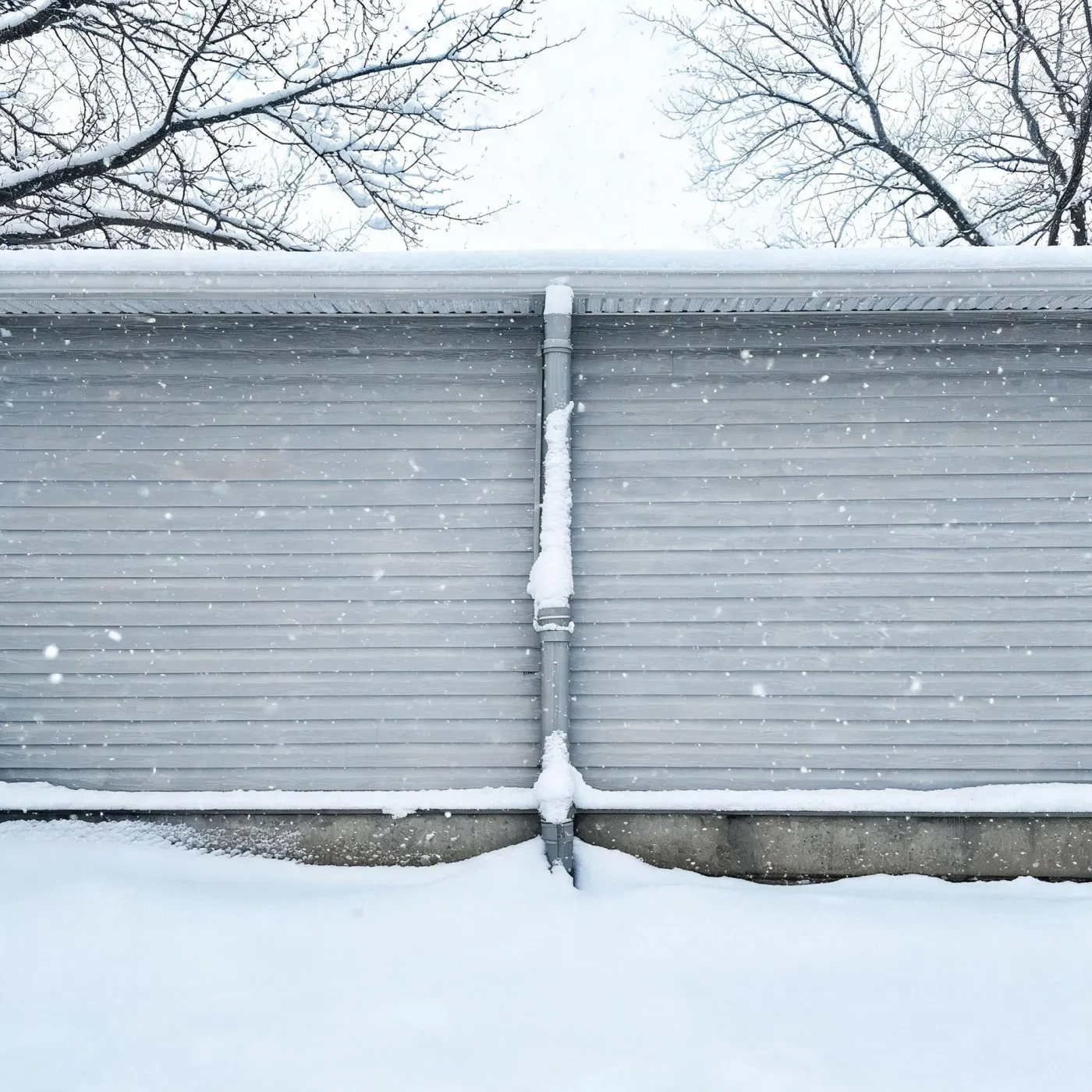
Winter nights average 23°F statewide, according to NOAA climate data for Connecticut. That's cold enough that your furnace is running long stretches to keep up, cycling on and off for hours through the night rather than firing a few times and resting. Those extra heat cycles are exactly what stresses a heat exchanger over the years, flexing the metal each time it heats and cools. If a crack is starting, a cold snap is when you're most likely to notice something off: a burner flame that looks unsteady, a smell when the furnace first kicks on, or a furnace that seems to run longer than it used to just to hold the house at temperature.
NOAA nClimDiv 1991-2020 county normals weighted by homes


Metal in the exchanger heats up and expands with every burner cycle.
A seam or bend flexes until the metal fatigues and splits open.
Exhaust gases leak through the crack into the air your ducts carry.
A technician finds the crack with a camera or combustion analyzer while it runs.
At 23°F, your furnace is running most of the night just to hold the house steady, which means long burner cycles instead of a few short ones. That kind of steady heat load is what pushes a weak seam the rest of the way into a crack.
NOAA nClimDiv 1991-2020 county normals weighted by homes
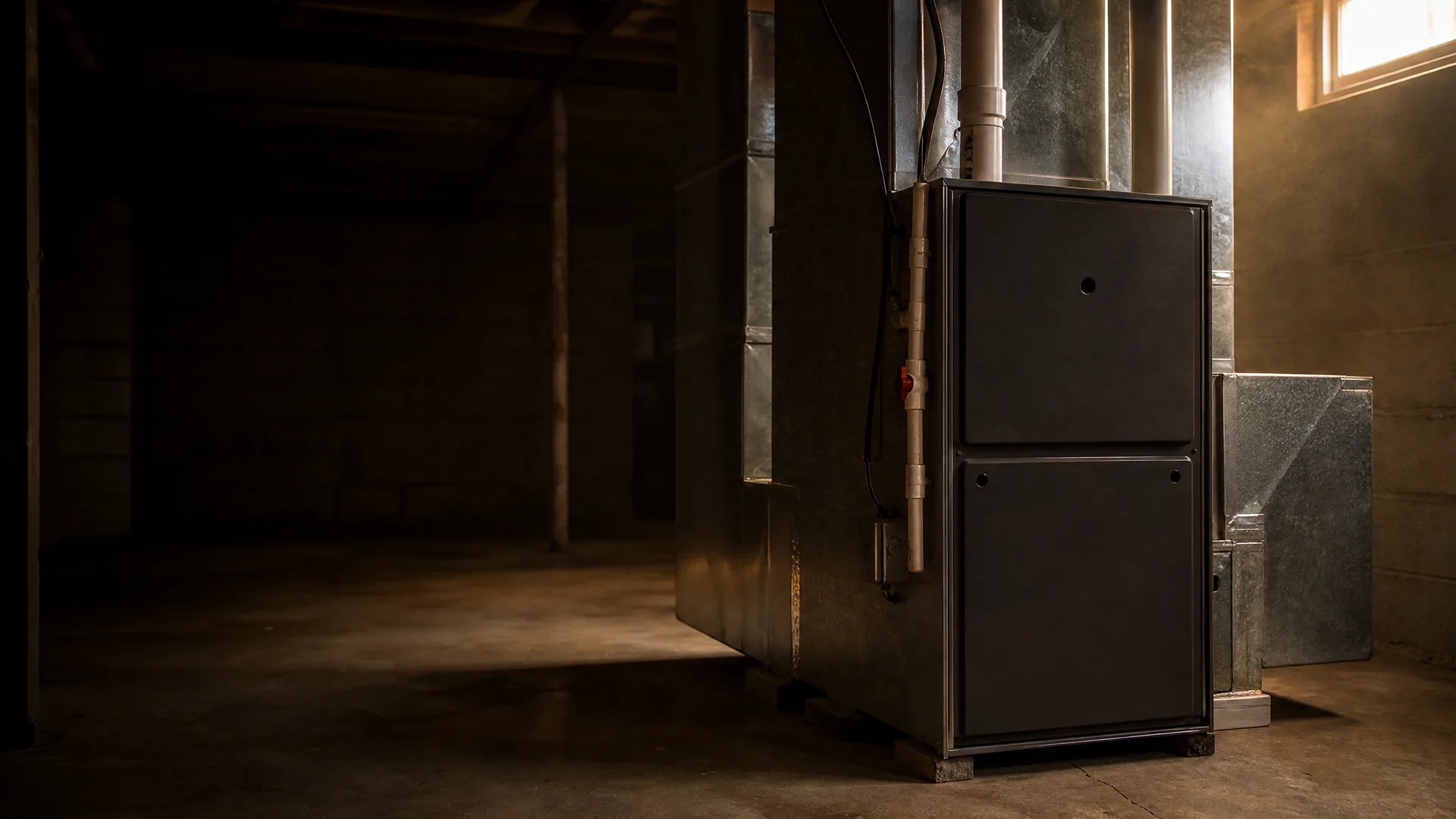
It's just past six on a November evening, and the basement has gone quiet. The furnace sat down twenty minutes ago and hasn't kicked back on. You came down for something else and noticed it: no hum, no warm air from the vent near the stairs, just the cold metal cabinet and a thin haze of dust hanging in the air where the blower usually stirs it. The thermostat upstairs reads a few degrees low. You stand there a second, listening for the click that usually starts it back up. Nothing. Outside, the temperature is already dropping toward where it'll sit overnight, and the house is starting to feel it.

A burning smell at startup, a flame that leans instead of standing steady, headaches that fade once you're outside. Any one of those is reason enough to have the furnace checked before you run it again. Connecticut winters don't let up, and a cracked exchanger doesn't heal on its own between now and the next cold night.
Getting matched means one local contractor who works on furnaces like yours all winter long, not a handful of companies competing for your call. They'll know what to check first and what a crack like this usually means for the unit underneath it. You'll hear from them directly, and you'll know where things stand.


The right pro for this job