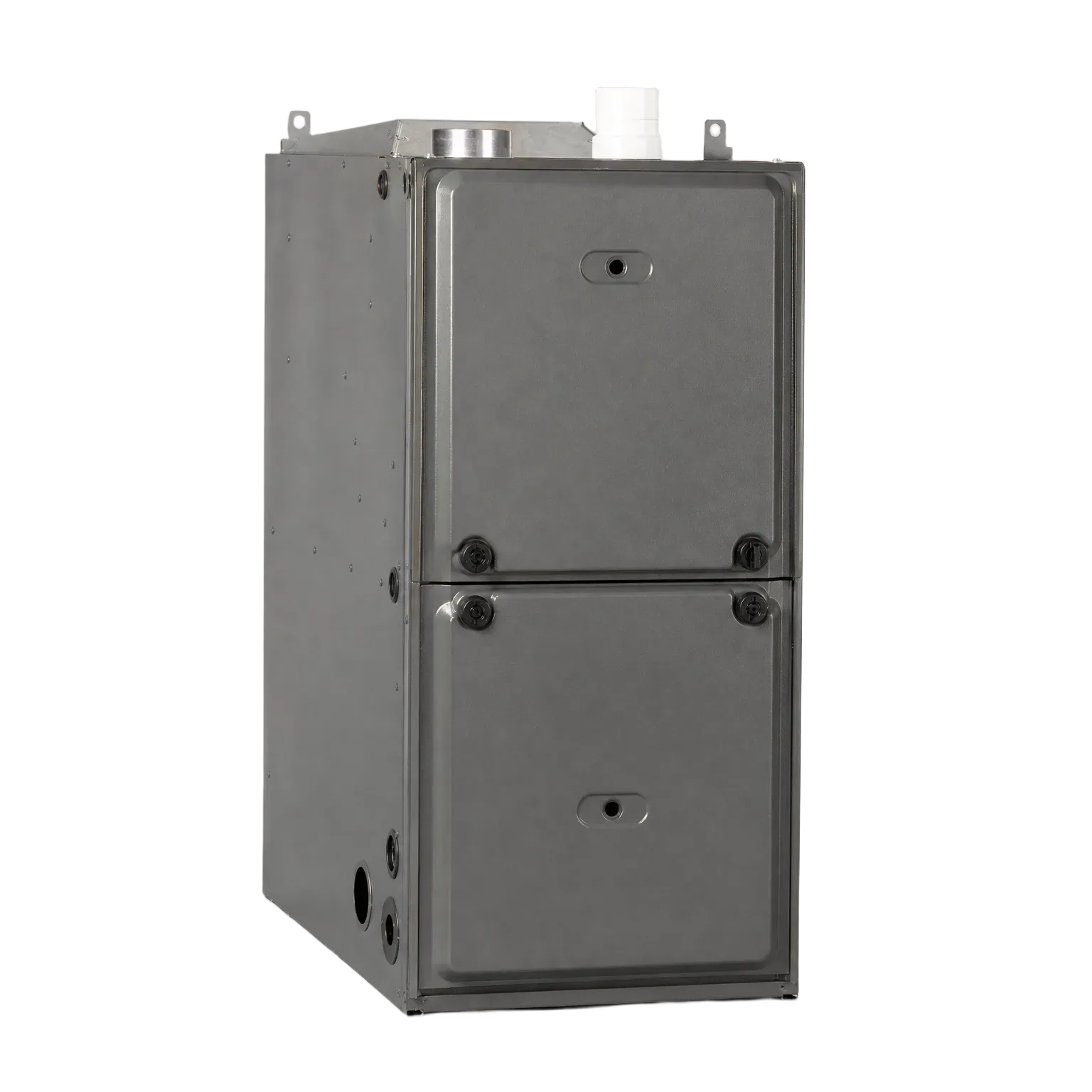

Holding steady
A furnace that's keeping up runs a long, even cycle and the air out of the vents stays warm the whole time. The burner lights on the first try, the blower runs quiet, and the flue pipe shows no soot or staining around the joints.
Tell a local repair pro what your furnace is doing.
Find my proA furnace that won't make it through a Connecticut winter usually tells you first. Short cycling, where it fires on and off every few minutes instead of running a steady stretch, means the heat exchanger or flame sensor is struggling to keep up. A furnace that runs longer each month just to hold the same temperature is losing efficiency somewhere inside, often the burners or the blower motor. Yellow flame instead of blue, soot near the vents, or a smell of gas are warnings to stop using it and get it looked at right away. Cold rooms far from the furnace, a thermostat that can't settle, or a system that struggles once it drops into the teens and twenties outside are all signs it's falling behind right when you need it most. Connecticut winters don't ease in gently, and a furnace already struggling in November won't hold up through January and February.

A furnace that's keeping up runs a long, even cycle and the air out of the vents stays warm the whole time. The burner lights on the first try, the blower runs quiet, and the flue pipe shows no soot or staining around the joints.

A furnace in trouble runs short bursts, shuts off before the house warms up, or needs a few tries to light. Rust on the cabinet, a burner flame that's yellow instead of blue, or a gas smell near the pipe connections mean it's time to have it looked at before the cold sets in.
Walk through your house and pay attention to what you're hearing. A bang or a loud click when the burner lights means fuel is building up before it catches. A burning dust smell that doesn't fade after the first hour of the season isn't normal once October's gone. Some rooms run cold no matter how high you set the thermostat, and you're adjusting vents or closing doors to compensate. Your gas bill has crept up even though you haven't changed how you run the system. The pilot or igniter flame looks yellow or orange instead of blue. None of this means tonight's the night it quits. But a furnace already struggling in November has to get through four more months of hard use, and in Connecticut that's the stretch where a failure costs you heat on the coldest nights of the year.






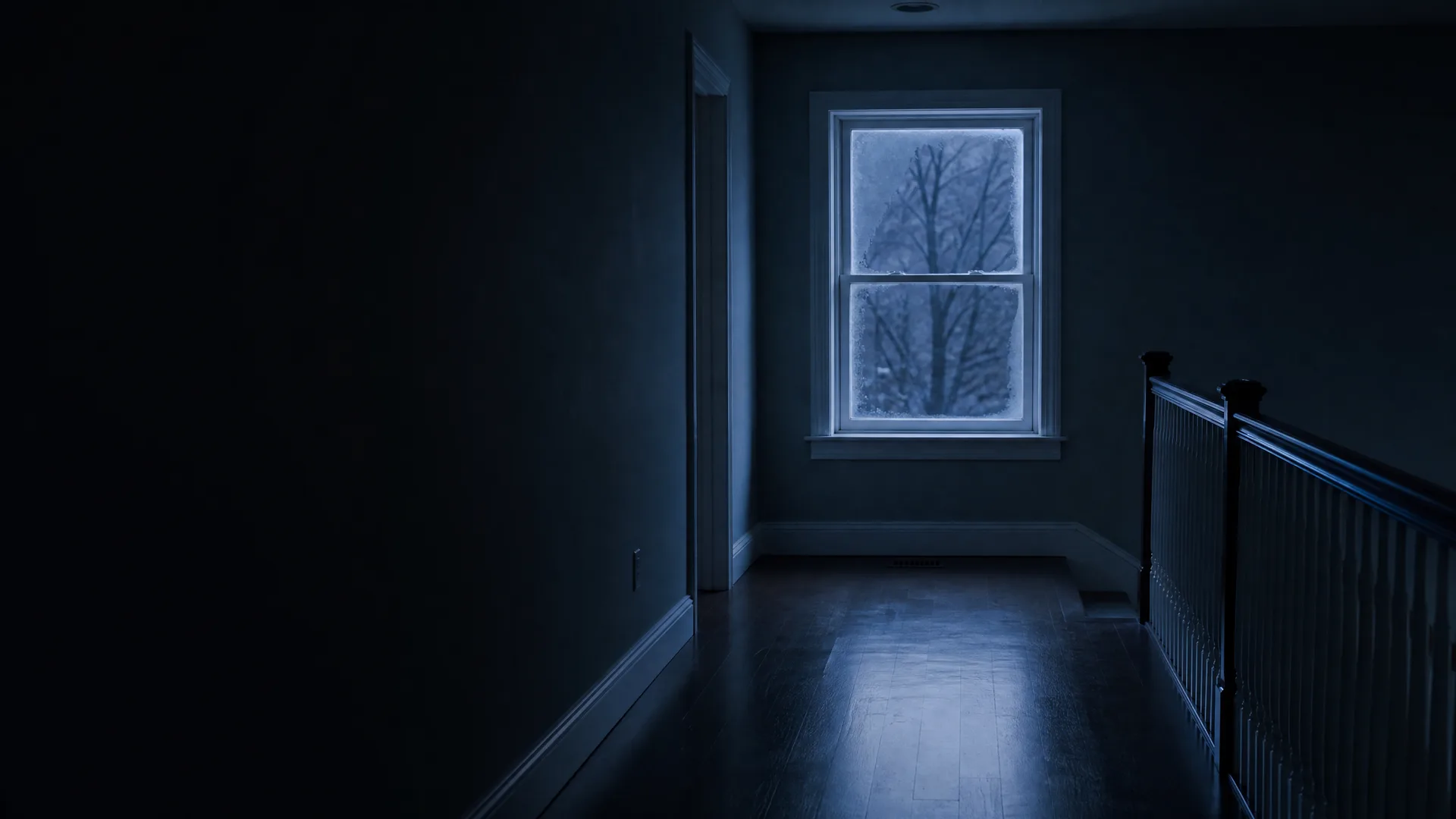
You wake up at two in the morning because the house feels wrong before you've even opened your eyes. The hallway floor is cold under your feet and the vent by the bathroom door isn't pushing anything. No hum from downstairs. You crouch down and hold your hand over the grate anyway, waiting for air that isn't coming. The window at the end of the hall has frost crawling up from the sill, and outside it's the kind of January night Connecticut gives you a dozen times a season. You stand there in the blue dark, listening for the burner to catch. It doesn't.

This is a furnace that can handle a Connecticut winter. The cabinet is clean, the flue pipe is intact, and there's room to walk around it and check on it. Nothing crowds the gas line or the ductwork above. A furnace kept this clear is one a contractor can service without fighting the space first.

This basement has pipes and ductwork crowding the furnace on every side, with barely room to see the flue vent let alone reach it. A furnace set up like this is harder to inspect and harder to catch small problems on before a cold snap turns them into no heat at all.
The limit switch is doing its job when it trips, but if it keeps happening you want to know why instead of just resetting it and hoping it stops. In a Connecticut winter, a furnace that keeps shutting itself off on the limit switch isn't a minor annoyance. It's telling you heat is building up somewhere inside the cabinet that shouldn't be building up, and reset after reset isn't fixing what's causing it.
The limit switch sits near the heat exchanger and watches the temperature inside the cabinet. When that temperature climbs higher than it should, the switch shuts the burners off before the heat exchanger cracks. That's correct behavior. The problem is almost always upstream of the switch itself. A dirty filter, a blower wheel caked with dust, or a duct that's partly blocked all cut down the airflow that's supposed to pull heat out of the cabinet and push it through the house. Less air moving means the heat has nowhere to go, so it piles up and trips the switch. A furnace that resets itself and runs fine for a few hours, then trips again, is showing you an airflow problem that will only get harder on it as the weather gets colder.


Your request stays with one local pro.
No charge to send it. You decide if you hire them.
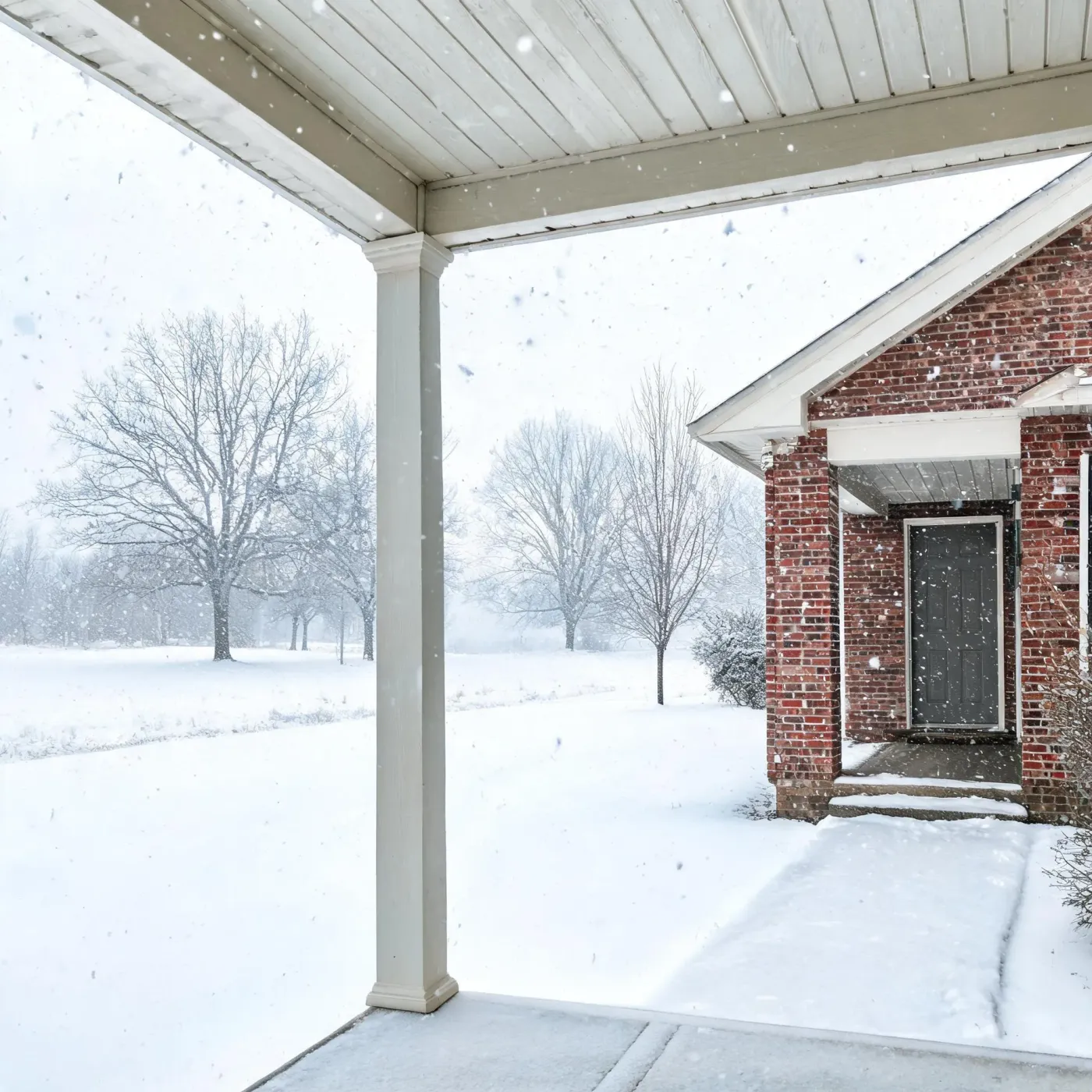
Winter nights statewide average 23°F, according to NOAA climate data. That's below freezing for hours at a stretch, and it means your furnace isn't cycling on for a quick burst and shutting off. It's running long stretches to keep up, which is harder on an igniter or blower motor that's already worn. If yours is struggling, a night like that is when you'll notice: the air from the vents turns lukewarm instead of warm, or the house just doesn't catch up before morning. A furnace in good shape holds its own against that kind of cold without you thinking about it.
NOAA nClimDiv 1991-2020 county normals weighted by homes


That's the span most furnaces cover before parts start failing faster than they can be fixed one at a time. If yours is near that mark, a local contractor can tell you where it stands.
That's all it takes to take a furnace out of service for good. A contractor who works on these all winter can check it before a cold snap forces the question.

A furnace that's struggling doesn't fail quietly. It shows up on your electric bill first, because a cracked heat exchanger or a dirty flame sensor makes the burner cycle more often to push out the same heat. You'll feel certain rooms lag behind the rest of the house, usually the ones farthest from the furnace or over a cold basement. At 23°F outside, a furnace that's already struggling has no slack left to make up that difference.
What it puts at risk is worse than a cold morning. A cracked heat exchanger can let combustion gas mix into the air moving through your ducts. A furnace that keeps tripping its limit switch is shutting itself off to protect the house, and every reset without a fix is one less warning it has left to give you. A local contractor who works on furnaces all winter in Connecticut can look at yours and tell you which of these you're actually dealing with, and whether it's one part or the whole system.

At 23°F, your furnace is firing for hours at a time, not short bursts. A unit with a tired blower motor or a heat exchanger that's starting to go has to work through that whole stretch, and that's when the weak part usually gives out.
NOAA nClimDiv 1991-2020 county normals weighted by homes
You've gone through the signs. None of them are random. A furnace that bangs on startup, trips the limit switch, or runs short cycles instead of long steady ones is pointing at a specific part, not just getting old. The cabinet, the heat exchanger, and the flue pipe show what's really happening before the furnace quits on you, usually on the coldest night of the stretch. Age alone doesn't decide this. A furnace at 15 or even 18 years can still be worth fixing if the metal hasn't started cracking or rusting through. What decides it is what you find when you look, and what a contractor finds when they check the parts you can't see from the hallway.
This is where a local contractor earns their keep. Someone who services furnaces all winter in Connecticut has already seen a dozen units doing exactly what yours is doing, and knows which sign means a part failing on its own and which means the whole furnace is done. That's not a guess they're making from a truck. It's the difference between someone who's replaced this exact igniter a hundred times and someone seeing your furnace for the first time.
Getting matched with one contractor, not several, means the person who shows up already has a sense of what usually goes wrong on a furnace like yours before they've opened the cabinet. You're not explaining your house to a different voice every time the phone rings.

The pro who reaches out is licensed in Connecticut.