



Profile view of a bearded man wearing a dark baseball cap and a dark gray T-shirt against a plain off-white background.

What temperature to set the heat in a Connecticut winter

Step 1 of 3: Equipment

What temperature should I set my heat to in winter in CT?

Connecticut winters run cold from December through February, and a lot of homeowners just want a number that won't run up the bill or leave the house feeling cold when they walk in the door. There isn't one right answer for every house, but there's a range that works for most, and a reason to stay in it.

68 degrees while you're home, lower while you're out or asleep

68 is the number most furnaces are set to during the day in winter, with a drop of 7 to 10 degrees overnight or while the house is empty. Your furnace loses less heat to the outside air the closer the thermostat is set to the temperature outside, so every degree you add above 68 makes it run longer to hold that line. In Connecticut, where electricity and heating costs run high, that difference shows up on the bill. Setting it back at night doesn't strain the system. It just means the furnace works less while nobody needs the extra warmth.

  1. The thermostat calls for heat and signals the furnace.

  2. The inducer motor starts and clears the gas out of the heat exchanger.

  3. The igniter glows hot enough to light the burners.

  4. Burners fire and heat starts building inside the heat exchanger.

Hold steady or set back

Set it and leave it

  • The furnace cycles on and off around one number all day, so it never has to work hard to recover from a big swing.
  • A steady setting between 68 and 70 during the day holds the house evenly through a Connecticut cold snap in January.
  • Less cycling means less strain on the igniter and inducer motor over a full winter.
  • You lose the chance to save anything overnight, since the furnace keeps paying to hold the same temperature at 2 a.m. as at 2 p.m.

Set back at night

  • Dropping the thermostat 7 to 10 degrees for the eight hours you're asleep or out cuts how much the furnace runs over the season.
  • Connecticut's electric and gas rates are among the highest in the country, so the hours you're not heating the house add up.
  • Recovery in the morning asks more of the burners and the heat exchanger at once, which some older furnaces handle better than others.
  • A programmable or smart thermostat can step the temperature back and forward on its own, so you're not doing it by hand at 6 a.m. in the cold.
A man in a gray sweater reclines in a brown leather armchair with his eyes closed, beside a wooden side table holding a mug, a folded newspaper and a potted plant, with a bookshelf and sunlit window behind him.
A man with greying hair and a dark sweater leans back on an armchair with his eyes closed and a slight smile, in a living room with a bookshelf, plant, folded newspaper and mug on a wooden table.
A man in a gray fleece jacket sits reclined in a leather chair with his eyes closed, in a room with bookshelves, a table lamp, a window, and a desk holding a folded newspaper and a dark mug.
A bearded man in a gray fleece pullover sits with eyes closed in a brown leather armchair in a living room, with a floor lamp, bookshelf, potted plants, a side table holding newspapers and a dark mug, and a bright window behind him.

Winter nights average 23°F statewide

23°F is the overnight low on average, but that's across the whole state. A clear, calm night in your town can drop well past that, and that's when your furnace runs longest and the thermostat setting you picked actually gets tested.

NOAA nClimDiv 1991-2020 county normals weighted by homes

What each degree actually costs

Turning the thermostat up one degree adds roughly 1 to 3 percent to a heating bill, and that adds up fast with Connecticut power rates among the highest in the country. Set the heat at 72 instead of 68 all winter and you're paying that penalty every hour the furnace runs, not just on the coldest days. It's a small number per degree, but multiplied across December through February it shows up clearly on the bill. That's why a lot of Connecticut homeowners hold the line closer to 68 during the day and let it drop further at night, rather than keeping the house warm around the clock.


Why the setback has a limit

Dropping the thermostat too low overnight sounds like savings, but the furnace has to work harder to recover that heat in the morning, especially on a night that falls well below the state average low. A setback of more than 8 to 10 degrees can mean a longer, harder run just to catch back up, which eats into whatever was saved overnight. Most Connecticut homes do better with a modest setback, a few degrees, not a double-digit drop. The furnace handles a small recovery easily. A big one on a cold January morning asks more of it than it's built to give without strain.

A gray-haired man with a beard in a blue button-placket shirt reclines on a couch with his eyes closed, beside a sunlit window with a green plant.
A woman in a cream knit sweater sits in an armchair with her eyes closed near a window showing yellow autumn foliage, with a mug on a round wooden side table beside her.

What Your Setting Costs You

  • A thermostat left at 72 all winter runs the furnace longer on every cycle, and that shows up on the bill before January is over.
  • A house held at 68 during the day and dropped a few degrees at night asks less of the burners without ever feeling cold when you're home.
  • Setting back too far overnight makes the furnace run a long recovery cycle at 6 a.m., right when a Connecticut cold snap is hardest on it.
  • Rooms over an unheated basement or garage run colder than the thermostat reading, so the number on the wall won't match what you feel in the kitchen.
  • A furnace that short cycles to chase a setting that's too high wears its igniter and inducer motor faster than one running normal, steady cycles.
  • Pipes along an exterior wall are the first thing at risk if the house drops into the 50s because the heat got turned down too far.

The number you pick plays out differently in every room of the house. Keep it at 72 around the clock and the furnace is running longer cycles than it needs to, and that cost shows up on the February bill before you've had time to notice the house ever felt different. Drop it too far overnight, say into the low 60s, and you're not saving what you think. The furnace has to work a long recovery cycle to get the house back to temperature by the time you're up, and that recovery lands right when a Connecticut morning is coldest and hardest on the equipment. A steady setting with a modest night setback, something like 68 by day and a few degrees lower overnight, asks less of the burners without any stretch of the day feeling cold. Where the thermostat sits isn't where every room sits. A kitchen or bedroom over an unheated basement or an attached garage reads colder than whatever the wall unit says, because that floor is losing heat the thermostat can't see. And if the setback goes too far, past where the furnace can recover easily, pipes running along an exterior wall are the first thing at risk once the house drifts down near 50. None of that is about comfort alone. A furnace pushed to short cycle, firing and shutting off over and over to chase a number that's too high, puts more wear on the igniter and the inducer motor than one left to run its normal, steady cycle.

An older beige furnace with two louvered vent panels stands on a concrete basement floor, connected to galvanized ductwork and a metal flue pipe, with gas piping and flexible conduit on the wall behind.
Before you get your furnace maintenance
A beige high-efficiency furnace in an unfinished basement, with white PVC vent pipes, a yellow gas line, metal ductwork, and exposed wood framing on a concrete floor.
After you get your furnace maintenance

Let someone else find the pro

You can pick the right number and still end up with a cold house or a furnace that runs longer than it should. A thermostat setting only does its job if the furnace behind it is actually running the way it was built to. An igniter that's starting to go, a blower wheel caked with dust, a flame sensor coated just enough to misread the fire, none of that shows up as an error code. It shows up as a furnace that runs longer to hit the same number you set, on a system that's supposed to be among the most-used appliances in your house all winter. A local contractor who services furnaces in Connecticut homes every winter knows what tends to wear first on a system that's been running since December, and where to check before the next cold snap finds it for you. Send the request and that part stops being something you have to figure out yourself.

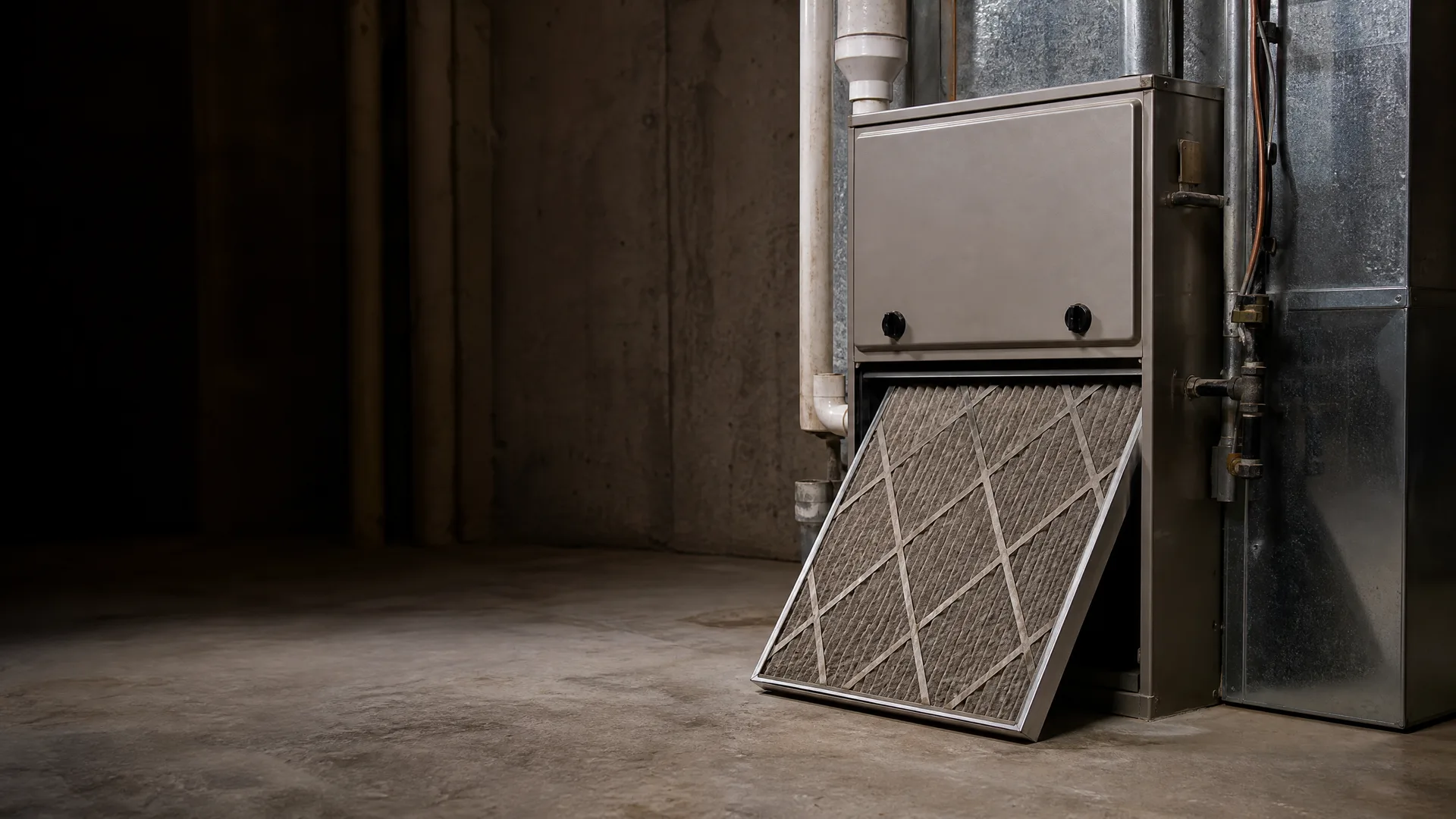
A dirty pleated air filter leans against a furnace with metal ductwork in a dim concrete basement.

You're down in the basement on a Saturday afternoon in October, the light outside already going gray by four o'clock. You pulled the filter to check it before the cold really sets in, and it slides out grey, caked with a winter and summer's worth of dust. You hold it up to the bare bulb overhead and can barely see light through it. The furnace sits there quiet, waiting on the thermostat upstairs. You think about the number you're going to set it to once the cold comes, and how that number means nothing if the furnace is pulling air through this. You set the old filter on top of the cabinet, meaning to grab a new one before the first real cold snap hits.

Why does the house feel cold even at the right setting

You picked 68 and the house still doesn't feel right. The air coming out of the vents feels cooler than it should, or it takes longer than it used to for a room to catch up after you bump the thermostat. Maybe the furnace is running longer stretches than you remember from last January, or it's kicking on and off more often without the house ever feeling fully warm. Some rooms are fine and others stay chilly no matter what the thermostat reads. None of that is about the number you chose. A furnace that's lost efficiency, whether from a dirty filter, a weak igniter, or a blower that isn't moving air the way it should, will run longer and cost more to hit the same setting, and in a hard cold snap it may not keep up at all.

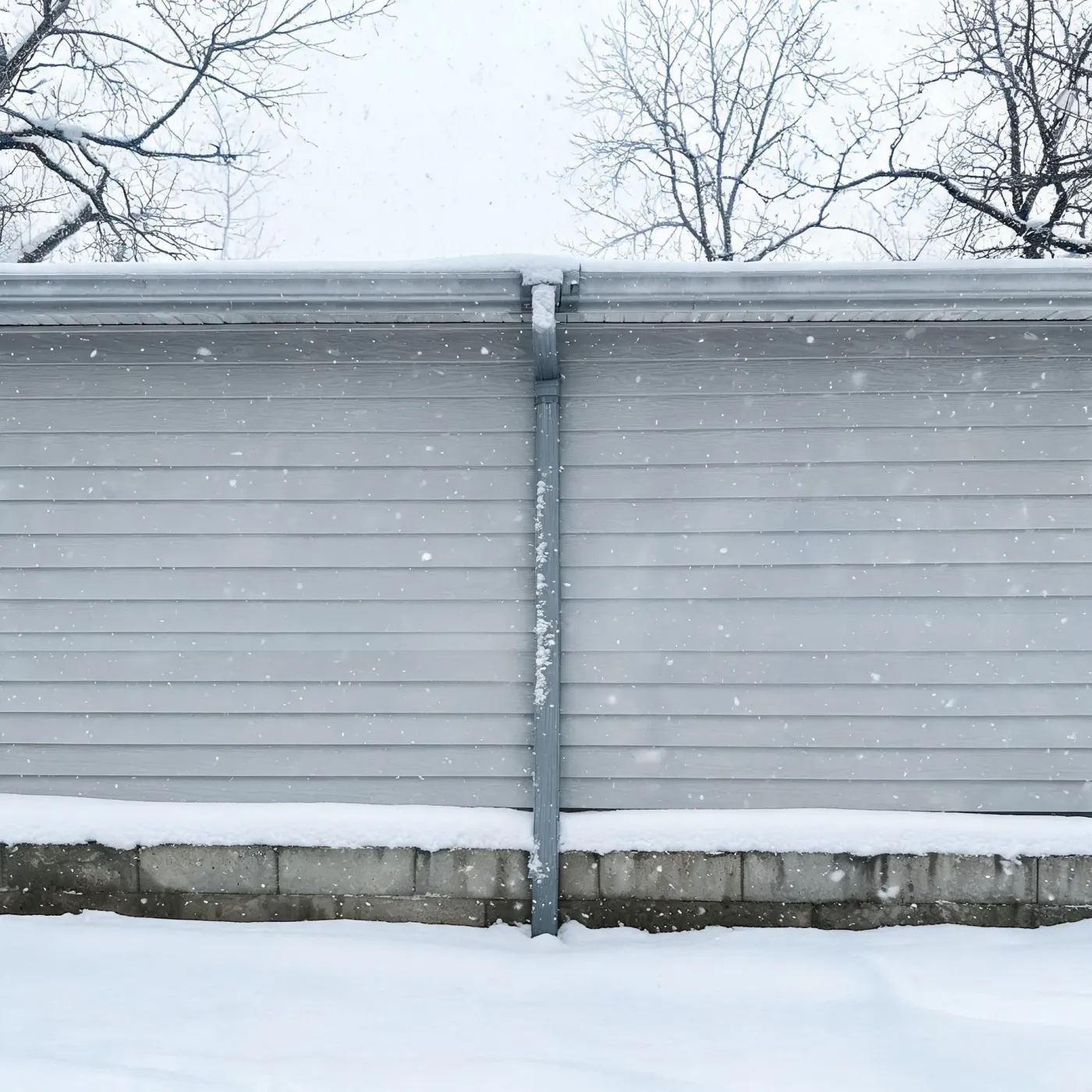
Exterior wall of a building with gray horizontal siding, a metal downspout at center, and a concrete block foundation, with snow on the roof edge, ledge, and ground, and bare trees against an overcast sky during falling snow.

Winter nights average 23°F across Connecticut, and that's the number your furnace is working against most. A furnace sized right for your house keeps up with that fine, running longer stretches but holding the temperature you picked. One that's lost efficiency, through a dirty flame sensor or a blower that's slowing down, starts losing ground on those cold nights specifically. You'll notice it as the house running a degree or two under the thermostat setting, or the furnace running almost straight through from midnight to morning instead of cycling. Source: NOAA.

NOAA nClimDiv 1991-2020 county normals weighted by homes

68 to 70 during the day, a few degrees lower at night, is the number that holds up through a Connecticut winter without punishing the bill. The furnace is what has to make good on that number, cycle after cycle, on the cold nights and the ones that dip even lower than the average. A furnace that's lost a step will miss the setting no matter how carefully you picked it, and that's a furnace problem, not a thermostat problem. Getting it looked at before the deep cold sets in is what makes the number on the wall mean something. The match on this is to one licensed contractor working in your part of Connecticut, someone who's in basements like yours every winter and knows which part on this model of furnace tends to go first. You're not getting a list of names to call and sort through. You send the request once, and finding the right person to look at your furnace stops being something you have to manage.

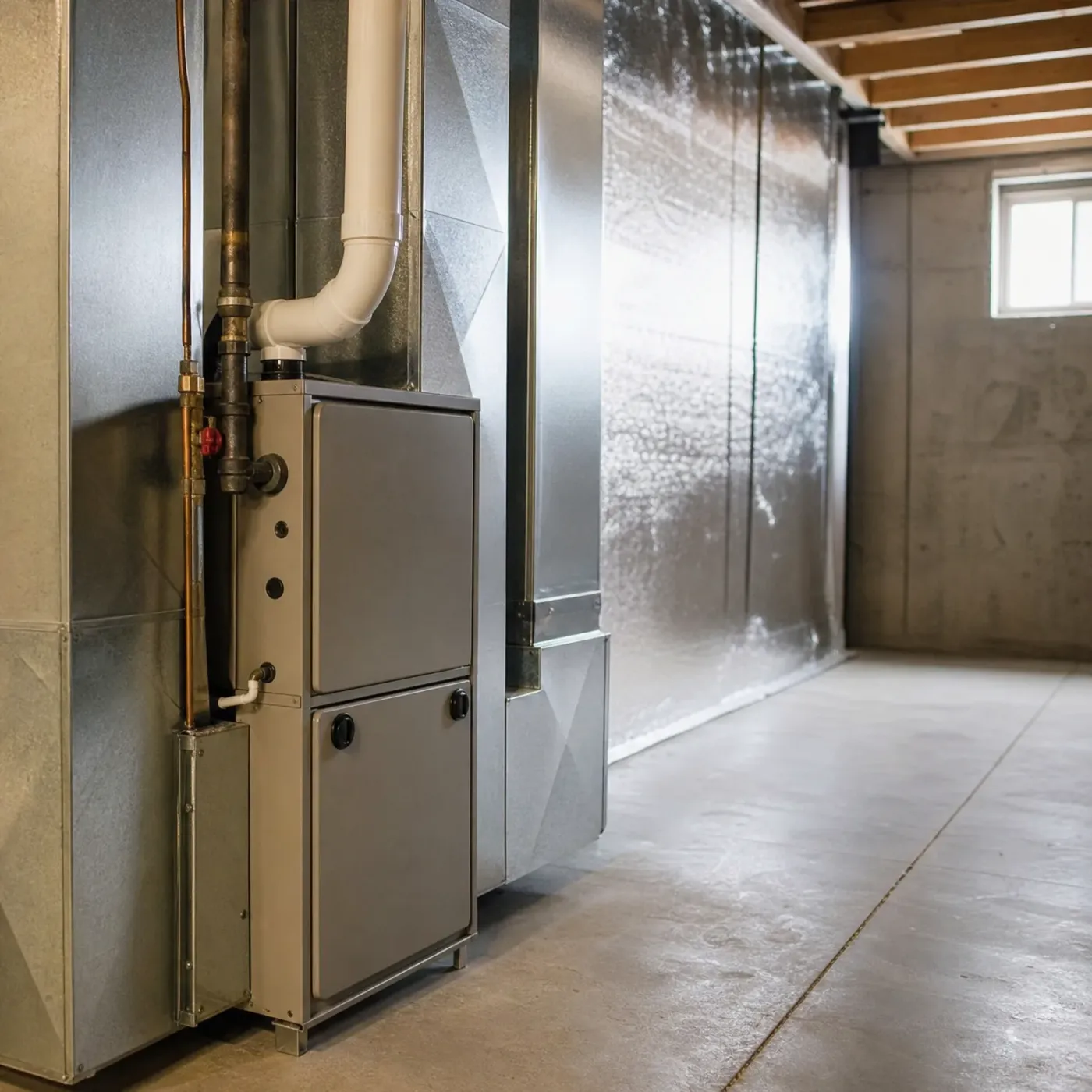
A gray furnace with a white PVC vent pipe and copper piping stands beside large galvanized sheet-metal ducts in an unfinished basement with concrete floor, concrete walls, foil-faced insulation, and a small window.

One request and it's handed off

Reach a local pro

Only one pro gets your request, so you hear from one company.

You're not committing to anything by asking.