
It's off your list after this
Why your furnace is blowing cold air in Connecticut
A furnace blowing cold air in the middle of a Connecticut winter usually comes down to a handful of things: a pilot or igniter that won't catch, a flame sensor that's dirty, or a thermostat set to fan instead of heat. This page walks through what causes it and what it means for your system. Send the form once and let a local contractor who works on furnaces all winter take it from there.
Send my requestA furnace blowing cold air usually means it is running the blower without lighting the burners. A clogged filter can choke off airflow until the system shuts the burners down to protect itself, leaving the fan running on its own. A dirty flame sensor will do the same thing, since it can't confirm a flame is burning and cuts the gas for safety. Sometimes it's simpler: the thermostat fan switch is set to "on" instead of "auto", so the blower runs constantly whether the furnace is heating or not. In a Connecticut winter, a few minutes of cold air from the vents is more than an inconvenience, since the house loses ground fast while the system sits idle. None of these are problems to leave alone. A furnace that won't hold a flame can shut down completely within a day or two, and that's a bad place to be when it's in the teens outside.
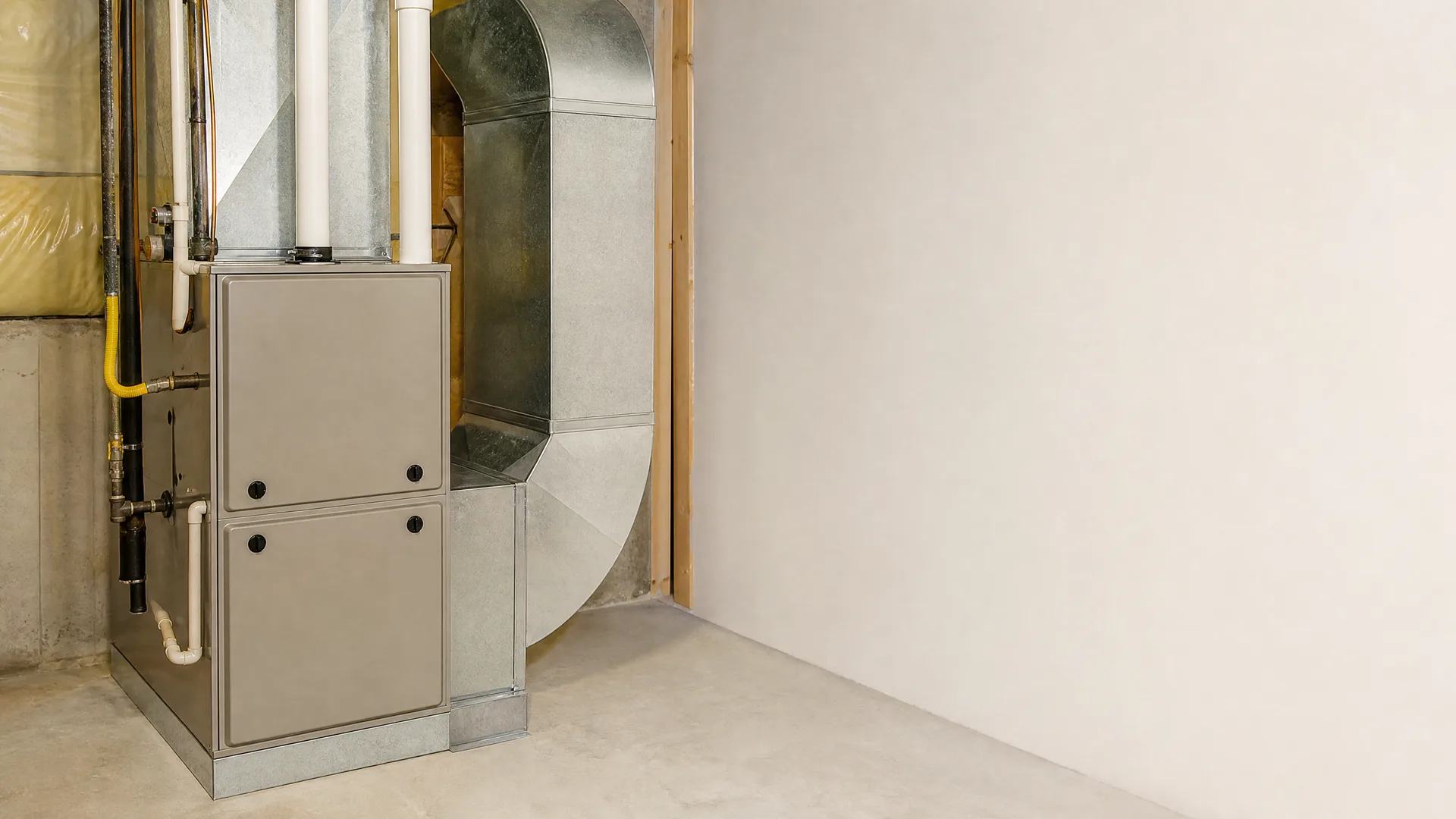
Why the blower keeps running
Most furnaces here run a limit switch that watches the heat exchanger temperature. If the burners shut off on a safety fault, the blower motor often keeps moving air for a few minutes to clear the heat left in the exchanger. That air has nowhere to pick up heat from, so it comes out the vents cold. It is not a separate failure. It is the furnace doing what it is built to do once it has already decided not to light.
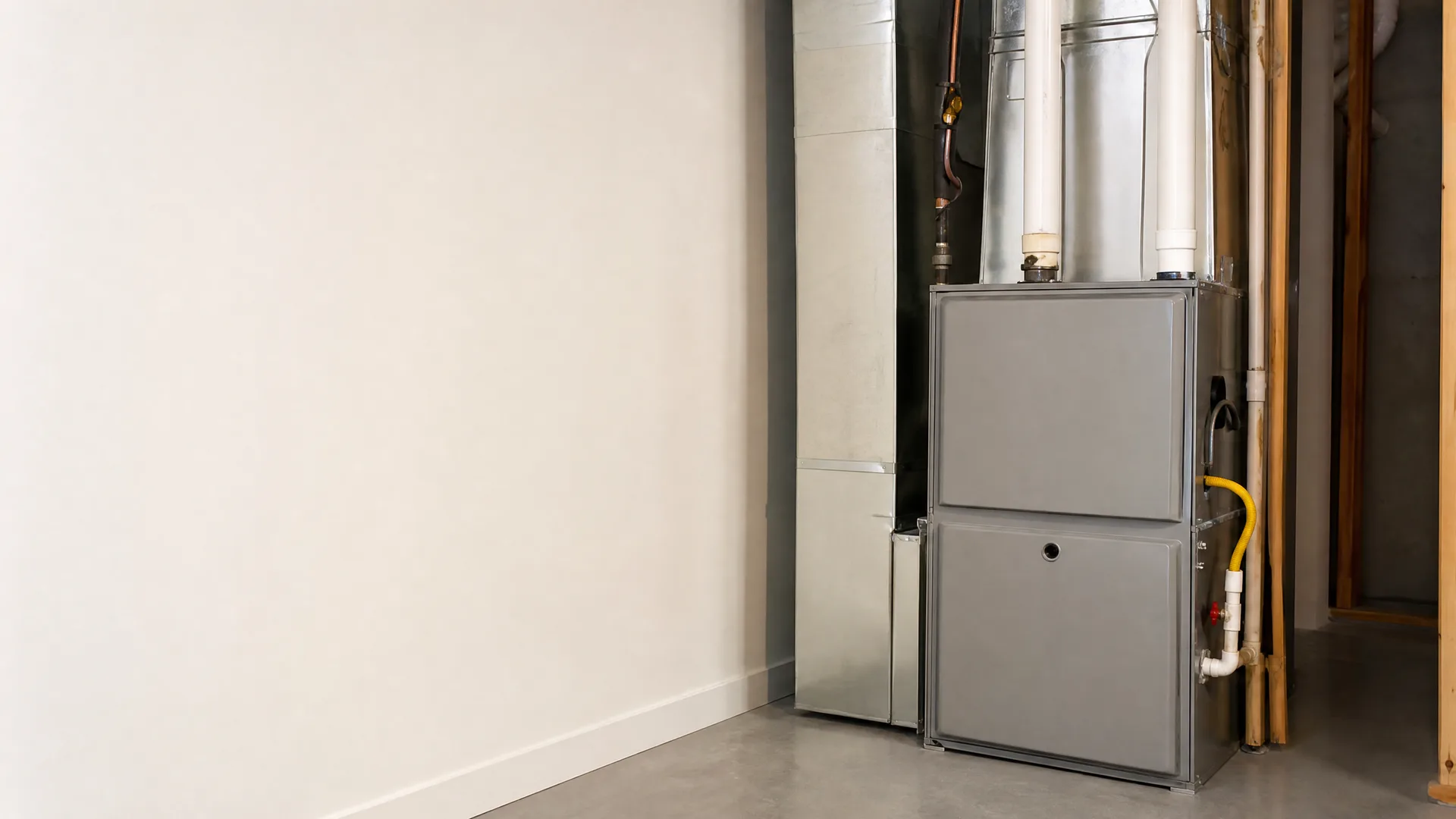
What a short cycle tells you
A furnace that fires, runs thirty seconds, and shuts off is usually tripping a safety switch, not running normally. Each attempt pulls in cold air through the ducts before the burners ever catch. Over a Connecticut night that can drop a room several degrees before anyone notices. A contractor checking this will look at the flame sensor and the limit switch first, since both are built to stop the burners rather than let them run unsafely.
Winter nights average 23°F statewide
At 23°F, your furnace is firing most nights from December through February just to keep the house livable. That's a lot of cycles on the igniter and the flame sensor, and it's why a furnace that quits on a cold night gets noticed fast here.
NOAA nClimDiv 1991-2020 county normals weighted by homes
A quick check versus a real fix
You can reset the furnace at the breaker, swap the filter, and bump the thermostat a few degrees to see if the burners catch. Sometimes that clears a false lockout and the furnace fires again. It tells you the system can still run, but it doesn't tell you why it stopped. If the filter was choked or the flame sensor had just enough buildup to fail once, the same fault can trip again the next cold night, often when you're not standing there to reset it.
What a local contractor checks
A licensed contractor who works on furnaces around Connecticut every winter knows which parts fail first in a season of hard, steady use: the igniter, the flame sensor, the limit switch. They'll test the sensor's signal, check gas pressure, and look at the heat exchanger rather than just clearing the fault and leaving. That's the difference between a furnace that runs through a 23°F night and one that quits again a week later. Send the request once and it goes to one contractor, not a handful of companies calling at the same time.




Hand off the search today
A breaker reset or a new filter sometimes gets the burners firing again, and sometimes it doesn't, and you're left running cold air through the ducts while the house drops toward 23°F outside. At that point you're guessing at a part you can't see, on a system you don't work on every day. A furnace tech who covers Connecticut sees this same failure, igniter, flame sensor, limit switch, enough times each winter to know which one is likely before they open the cabinet. Send the request once and it goes to one licensed local contractor, not a handful of companies competing for the job, so you're not fielding five calls while your house is cold. That's one less thing to manage on a night when you'd rather just have heat back.
Cold air, warm fix
- Cold air from the vents almost always means the burners aren't lighting, not that the furnace stopped working outright.
- A dirty filter, a failing flame sensor, or a thermostat set to fan instead of heat account for most cases here.
- The blower running after a lockout is the limit switch clearing heat from the exchanger, not a separate problem.
- A breaker reset or a fresh filter tells you whether the burners can still catch, but it doesn't fix a failing igniter or sensor.
- At 23°F outside, a furnace stuck blowing cold air needs a burner problem found and fixed the same day.
- A licensed tech who works on these furnaces every winter can usually tell what's wrong before the panel comes off.
Cold air from the vents is the furnace telling you the burners aren't lighting. The blower is doing its job. The flame isn't. That difference matters because it points straight at a short list of parts: the filter, the flame sensor, the igniter, or a thermostat set wrong. Most of what goes wrong on a furnace in Connecticut traces back to one of those, and most of it shows up in the months when the burners are firing every night just to hold the house at temperature. A breaker reset or a clean filter is worth trying first. It costs you nothing but a few minutes, and it tells you something real: whether the system can still catch on its own. If it fires back up, you've likely cleared a false lockout. If it doesn't, you're looking at a part that needs hands on it, not another reset. The blower running on after a lockout isn't a separate fault. That's the limit switch doing exactly what it's built to do, clearing leftover heat from the exchanger before it shuts down fully. None of this requires guessing once someone who works on these furnaces every winter gets eyes on it. A licensed tech who sees this fault pattern all season usually knows what's failing before the panel is off, and gets the burners lit again instead of leaving you running cold air through the ducts while it's 23°F outside.


Furnace Repair
Stop chasing a furnace pro
Only one pro gets your request, so you hear from one company.
