Tell us about the job
Takes about a minute. No obligation.
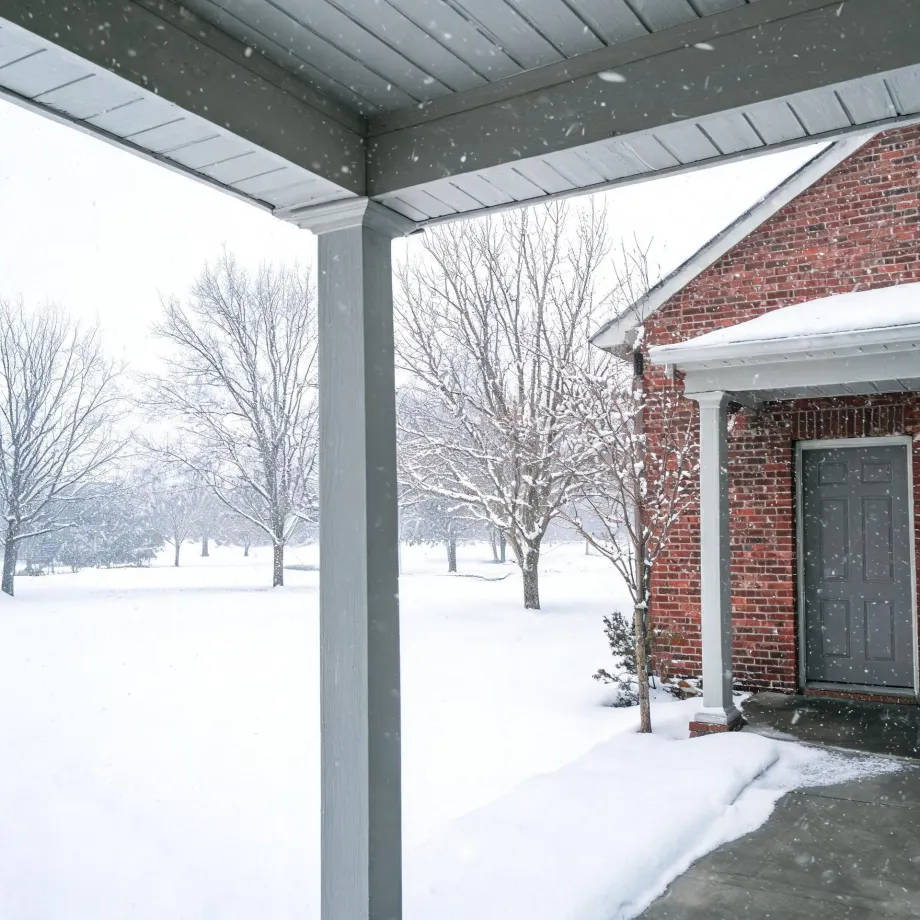
A furnace in Greater Bridgeport earns its wear the slow way: cycling through cold months until the burner, heat exchanger, and ignition system have logged far more hours than the calendar suggests at a glance. Homes in Greater Bridgeport Planning Region, CT run heat about eight months a year, from October through May. The heat exchanger takes that load directly, expanding and contracting with every cycle, and a contractor called out for a repair checks it and the burner assembly before moving to secondary components. Cracks or fatigue there produce symptoms that look like electrical faults until the combustion side is opened and inspected.
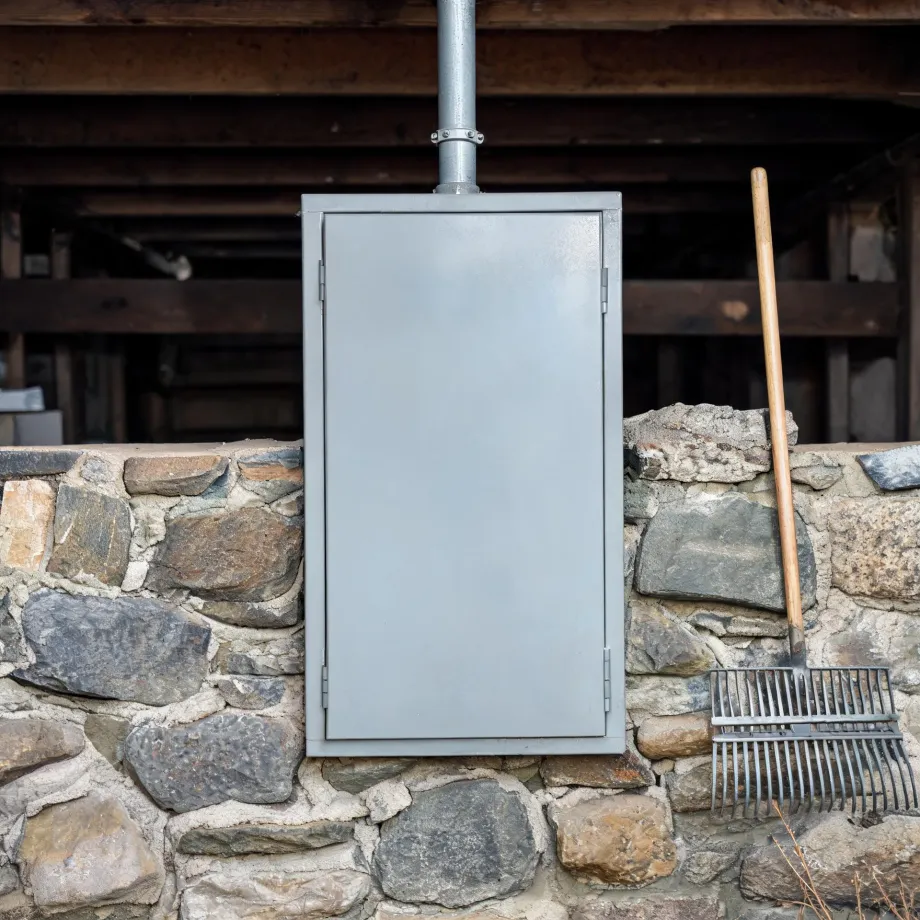
Furnace systems in houses this old have often been replaced more than once, and each swap leaves behind whatever the previous owner left in place. Half the homes in Greater Bridgeport Planning Region, Connecticut were built in 1959 or earlier (2020-2024 ACS 5-year). That accumulation matters for repair work because the unit a contractor opens may have been patched around ductwork and controls from an earlier generation, and the parts it now takes may have a short supply chain or none at all. A contractor pricing a furnace repair here has to confirm what is actually inside before the quote means anything.
The Parts of a Furnace a Contractor Checks First
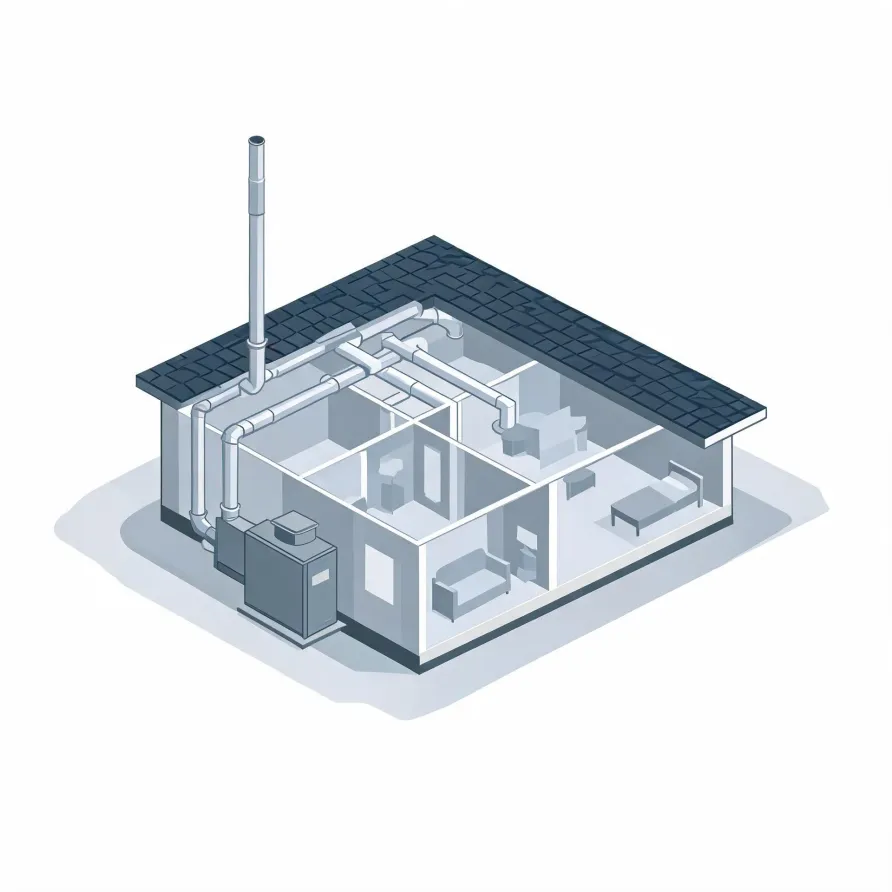
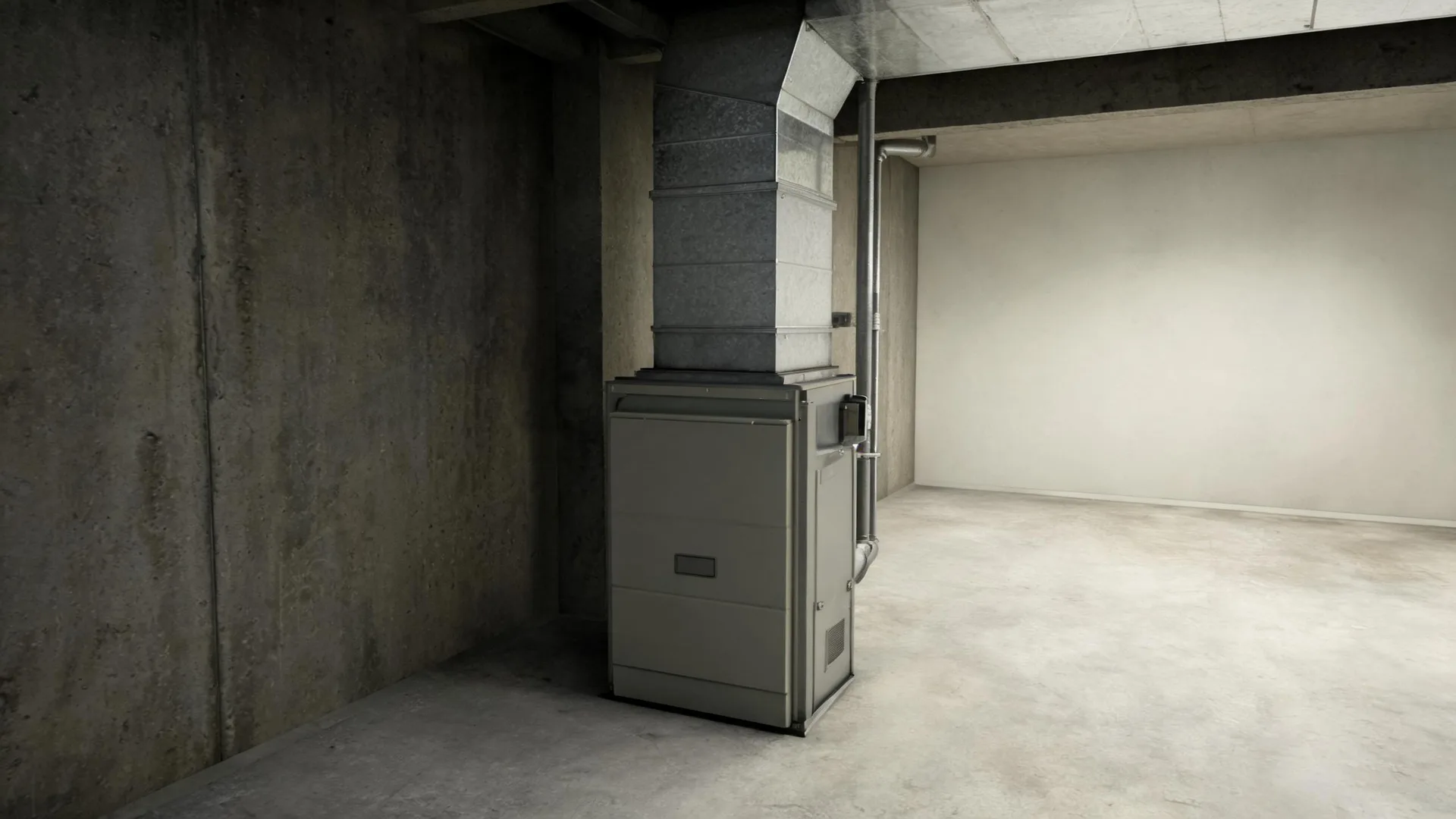
The furnace itself sits in a utility room, basement, or closet and is the piece doing the heating work. Inside it, the heat exchanger is the part a contractor looks at closely during a repair call, because a crack there lets combustion gases into the air supply. The burners and igniter sit just below it, and when the furnace fails to start or runs unevenly, those are where a contractor begins.
The blower motor and its fan wheel sit at the base of the furnace cabinet and push conditioned air out through the supply side of the system. Alongside the blower, the control board reads signals from the thermostat and tells each component when to fire and when to stop. A failed board can mimic the symptoms of several other faults, so it gets checked once the mechanical parts clear.
The drawing shows a typical furnace layout, and a licensed contractor will determine which components apply to your specific setup.
Find a contractor in Greater Bridgeport Planning RegionGreater Bridgeport Planning Region, by the record
Half the homes in Greater Bridgeport Planning Region, Connecticut were built in 1959 or earlier (2020-2024 ACS 5-year).
U.S. Census Bureau, 2020-2024 American Community Survey 5-Year EstimatesGreater Bridgeport Planning Region, Connecticut holds 126,039 housing units (2020-2024 ACS 5-year).
U.S. Census Bureau, 2020-2024 American Community Survey 5-Year EstimatesOwners occupy 65.3% of the occupied homes in Greater Bridgeport Planning Region, Connecticut (2020-2024 ACS 5-year).
U.S. Census Bureau, 2020-2024 American Community Survey 5-Year EstimatesFurnace Repair Rules & Standards on Record for Greater Bridgeport Planning Region, Connecticut5 codes, laws & standards
What Happens When a Contractor Shows Up for HVAC Repair
Non-weatherized gas furnaces manufactured on or after November 19, 2015 must reach 80.0 percent AFUE.
Non-weatherized oil-fired furnaces manufactured on or after November 19, 2015 must reach 83.0 percent AFUE.
Mobile home gas furnaces manufactured on or after November 19, 2015 must reach 80.0 percent AFUE.
Non-weatherized gas furnaces manufactured on or after December 18, 2028 must reach 95.0 percent AFUE, up from the 80.0 percent minimum that applies to units manufactured before that date.
Licensing and Legal Requirements in Greater Bridgeport Planning Region, Connecticut
Connecticut requires a state licence to perform, or to advertise, heating, piping and cooling work: no person may practise an occupation this chapter covers without first obtaining one.