Tell us about the job
Takes about a minute. No obligation.
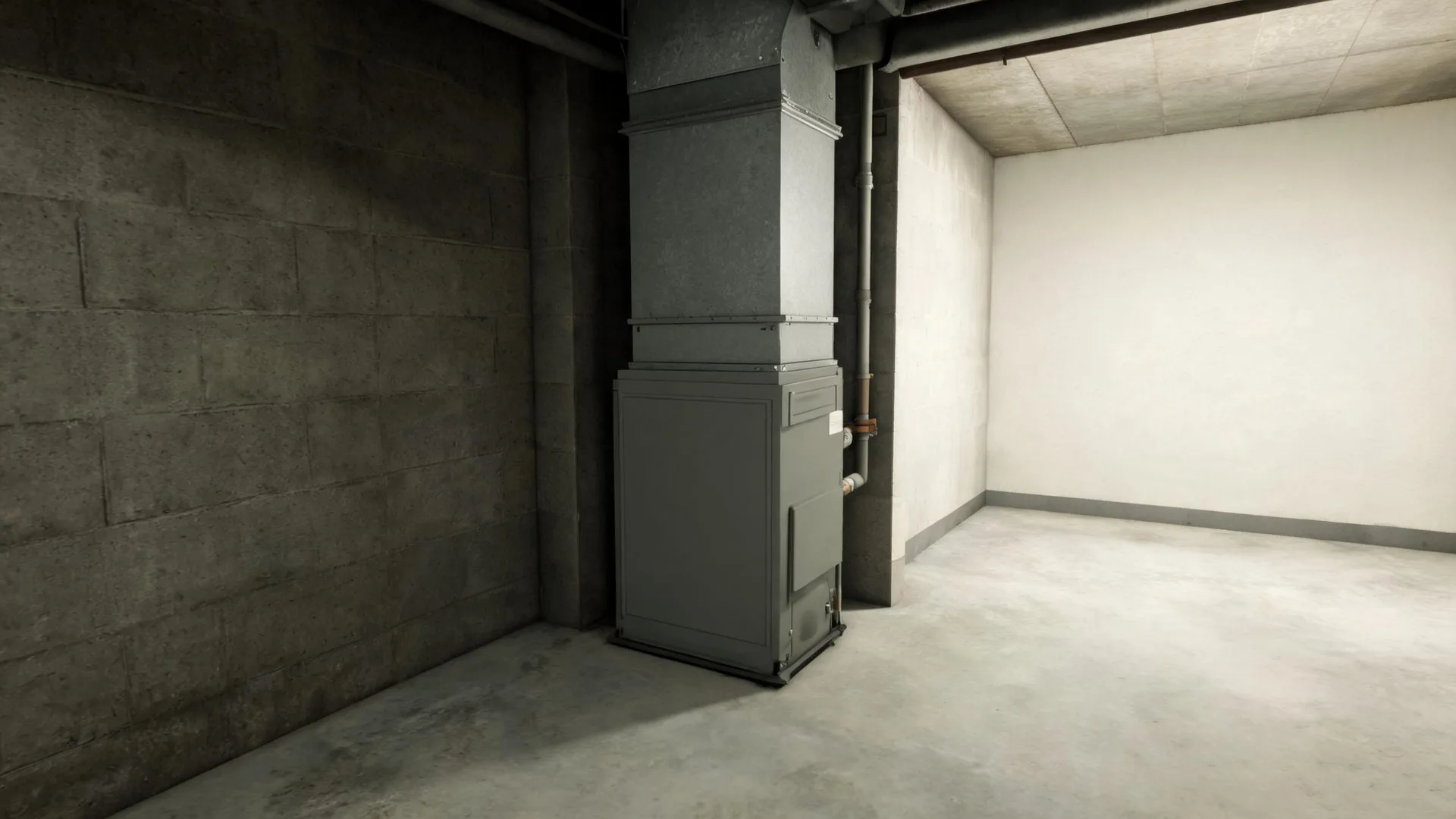
A furnace repair here starts with what the burner and heat exchanger have already been through. Homes in Western Connecticut Planning Region, CT run heat about eight months a year, from October through May. That length of runtime stacks cycles on the ignition system and stresses the heat exchanger at both ends of every cold spell. A contractor inspecting a furnace in this region checks the heat exchanger for cracks and the igniter for signs of fatigue before drawing any other conclusion, because those are the components that absorb the load first and fail quietly until they do not.
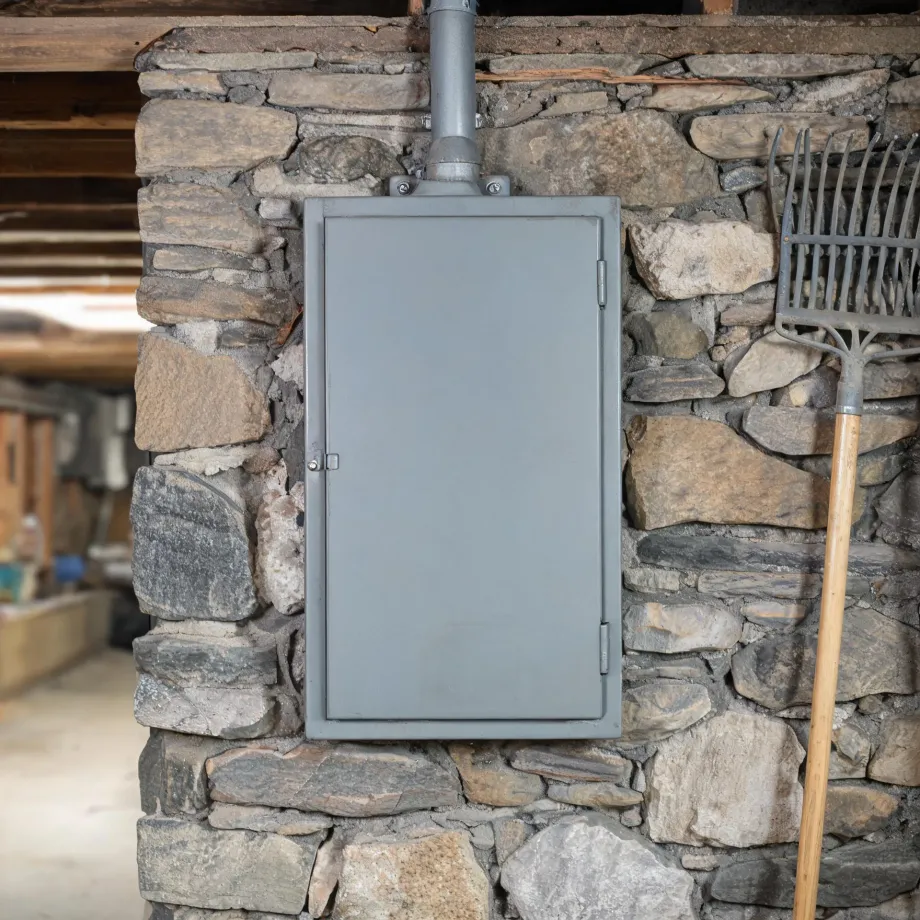
Ductwork routed through a house built for an earlier generation of heating equipment carries decades of expansion cycles, and what that does to joints and seals is not visible from the outside. Half the homes in Western Connecticut Planning Region, Connecticut were built in 1971 or earlier (2020-2024 ACS 5-year). A furnace repair in stock like this can change scope once a contractor opens the cabinet and checks the heat exchanger: a crack that reads as a minor repair may sit alongside deteriorated flue connections that have to come into the quote. Parts availability follows the same logic. The older the system's design lineage, the narrower the field of components a contractor can source without substitution, and substitution takes time to verify against the existing setup.
The Parts of a Furnace a Contractor Checks First
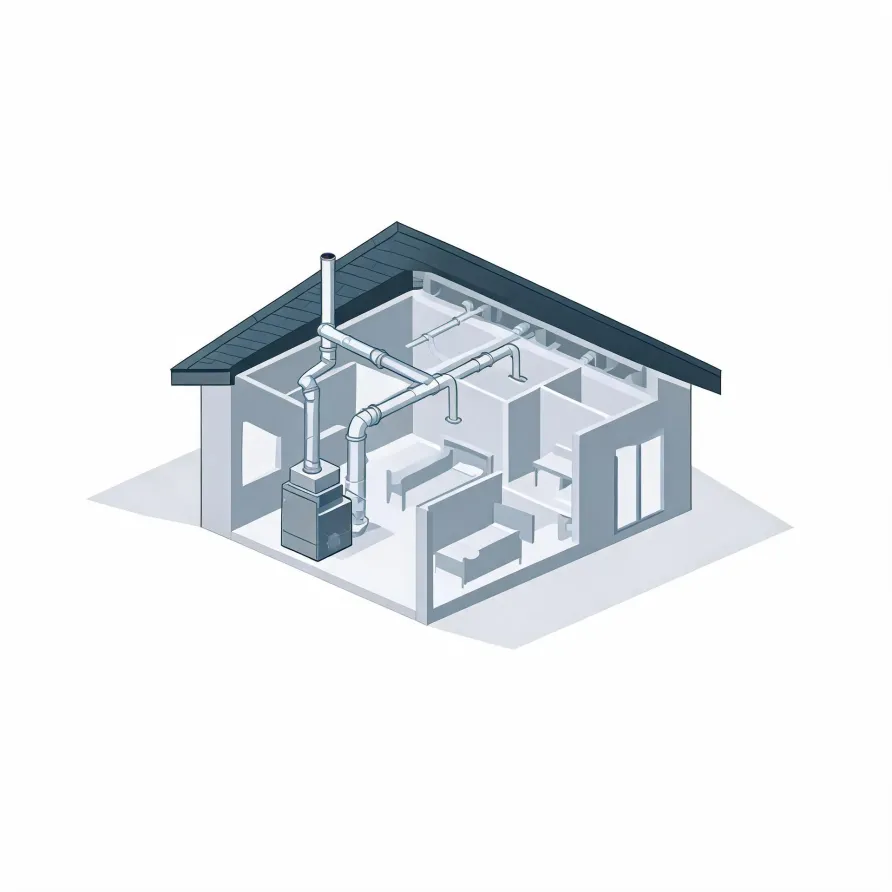
The furnace itself sits in the basement, utility room, or crawlspace and is the piece a contractor goes to first. Inside it, the heat exchanger does the core work, and a cracked or corroded exchanger is one of the more serious faults a technician will look for. The burners, ignitor, and flame sensor all sit within the same cabinet and are frequent sources of no-heat calls.
The blower motor and its fan wheel live at the base of the furnace cabinet and push conditioned air out through the supply side of the house. The flue pipe runs from the top or rear of the cabinet to an exterior wall or chimney and carries combustion gases out. The filter sits at the return-air opening, just before air enters the cabinet, and a clogged one can send a contractor in the wrong direction before the real fault is found.
The drawing shows the general layout of a furnace system, and a licensed contractor determines what applies to the specific equipment and configuration in your home.
Find a contractor in Western Connecticut Planning RegionWestern Connecticut Planning Region, by the numbers
Half the homes in Western Connecticut Planning Region, Connecticut were built in 1971 or earlier (2020-2024 ACS 5-year).
U.S. Census Bureau, 2020-2024 American Community Survey 5-Year EstimatesWestern Connecticut Planning Region, Connecticut holds 251,530 housing units (2020-2024 ACS 5-year).
U.S. Census Bureau, 2020-2024 American Community Survey 5-Year EstimatesOwners occupy 66.4% of the occupied homes in Western Connecticut Planning Region, Connecticut (2020-2024 ACS 5-year).
U.S. Census Bureau, 2020-2024 American Community Survey 5-Year EstimatesFurnace Repair Rules & Codes for Western Connecticut Planning Region, Connecticut5 sourced standards and regulations
What HVAC Repair Looks Like in Western Connecticut
Non-weatherized gas furnaces manufactured on or after November 19, 2015 must reach 80.0 percent AFUE.
Non-weatherized oil-fired furnaces manufactured on or after November 19, 2015 must reach 83.0 percent AFUE.
Mobile home gas furnaces manufactured on or after November 19, 2015 must reach 80.0 percent AFUE.
Non-weatherized gas furnaces manufactured on or after December 18, 2028 must reach 95.0 percent AFUE, up from the 80.0 percent minimum that applies to units manufactured before that date.
What Connecticut Requires for HVAC Repair in Western Connecticut Planning Region
Connecticut requires a state licence to perform, or to advertise, heating, piping and cooling work: no person may practise an occupation this chapter covers without first obtaining one.