Tell us about the job
Takes about a minute. No obligation.
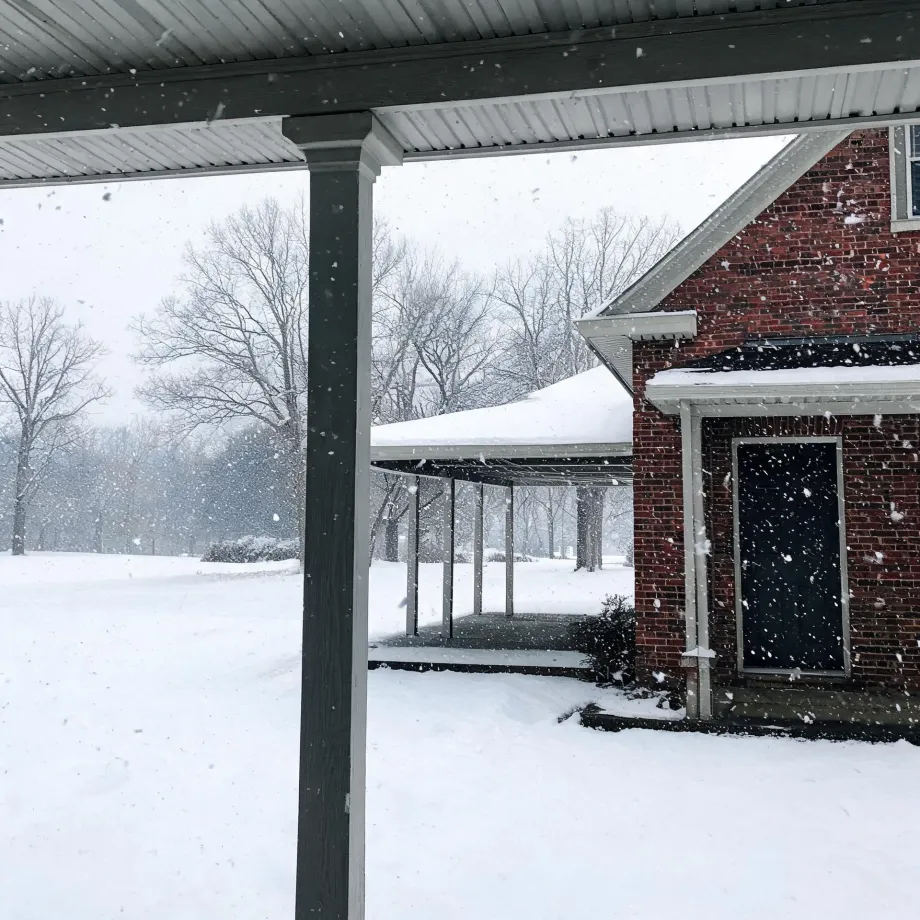
A contractor quoting a furnace replacement here has to size the system against real local load, because a unit that runs undersized through a heating season this long accumulates wear on the burner and heat exchanger faster than a properly matched one. Homes in Southeastern Connecticut Planning Region, CT run heat about eight months a year, from October through May. The ignition system cycles repeatedly across those months, and a loose fitting or an undersized heat exchanger that might hold together through a short season will crack or fail here while the system is still mid-life. Getting the load calculation right before installation is what decides how long the equipment holds.
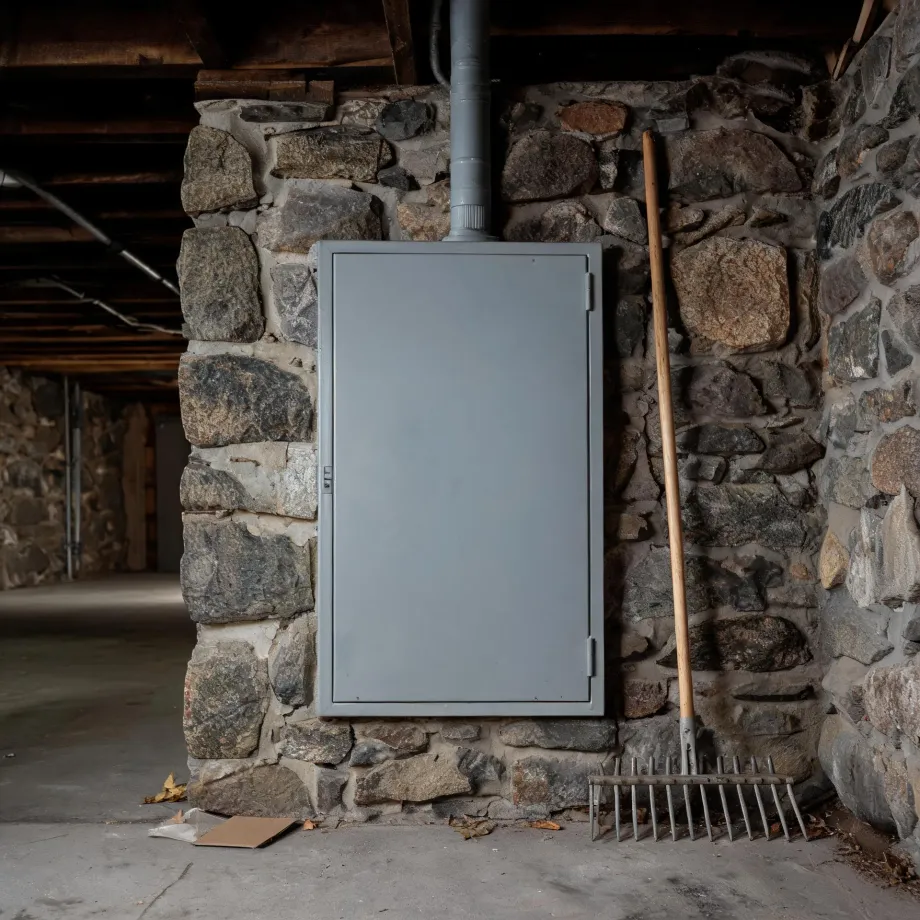
Ductwork in a house this old was sized and routed for whatever system was running when the house was built, and that system is gone. Half the homes in Southeastern Connecticut Planning Region, Connecticut were built in 1969 or earlier (2020-2024 ACS 5-year). A contractor pricing a furnace installation here has to assess whether the existing duct layout will carry the airflow a new unit produces, because if it will not, the duct work becomes part of the job. The electrical service gets the same look, since the draw a modern furnace puts on the panel may exceed what the original wiring was designed to handle.
What Gets Installed With a New Furnace
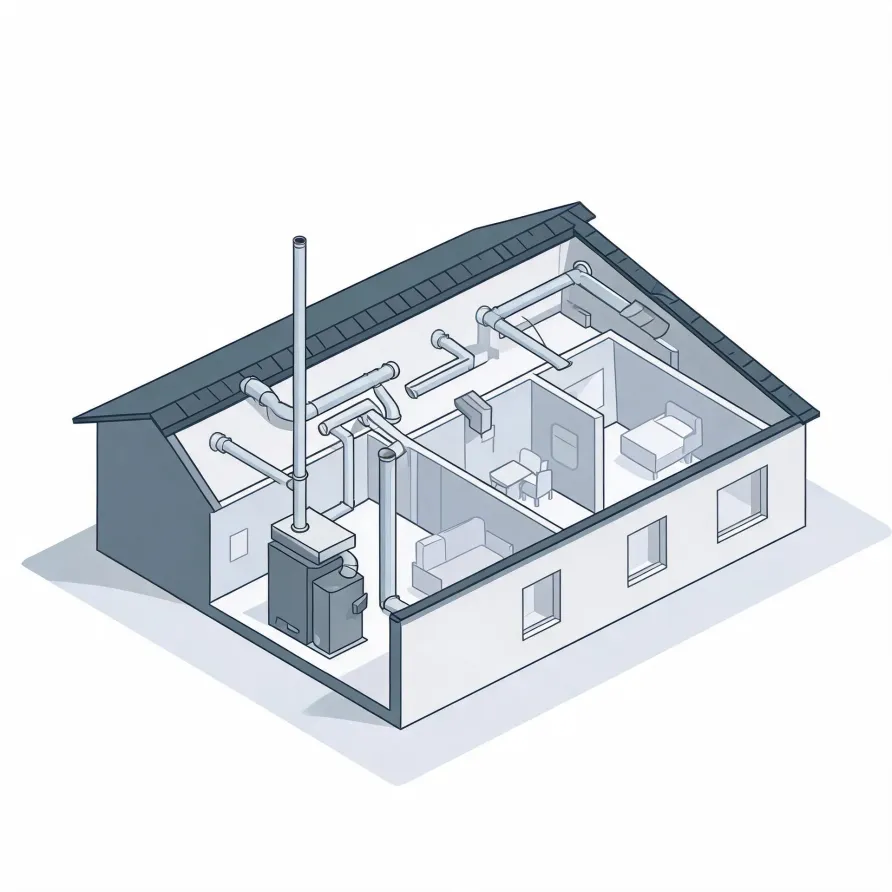
The furnace itself sits in a mechanical room, basement, or utility closet and is the core piece of the system. A burner inside it ignites fuel, a heat exchanger warms the air above it, and a blower pushes that air out into the house. The flue pipe runs from the furnace to an exterior vent, carrying combustion gases out.
The thermostat goes on an interior wall where the homeowner can reach it, and it is what tells the furnace when to fire and when to stop. A filter housing sits at the air return, keeping debris out of the blower. On high-efficiency models, a secondary condensate drain line runs to a floor drain or utility sink to carry off moisture the system pulls from exhaust gases.
The drawing shows a typical layout, and a licensed contractor determines what applies to the specific configuration of your home.
Find a contractor in Southeastern Connecticut Planning RegionSoutheastern Connecticut Planning Region, by the numbers
Half the homes in Southeastern Connecticut Planning Region, Connecticut were built in 1969 or earlier (2020-2024 ACS 5-year).
U.S. Census Bureau, 2020-2024 American Community Survey 5-Year EstimatesSoutheastern Connecticut Planning Region, Connecticut holds 126,425 housing units (2020-2024 ACS 5-year).
U.S. Census Bureau, 2020-2024 American Community Survey 5-Year EstimatesOwners occupy 65.1% of the occupied homes in Southeastern Connecticut Planning Region, Connecticut (2020-2024 ACS 5-year).
U.S. Census Bureau, 2020-2024 American Community Survey 5-Year EstimatesFurnace Installation Rules & Codes for Southeastern Connecticut Planning Region, Connecticut5 sourced standards and regulations
What happens once a contractor shows up
Non-weatherized gas furnaces manufactured on or after November 19, 2015 must reach 80.0 percent AFUE.
Non-weatherized oil-fired furnaces manufactured on or after November 19, 2015 must reach 83.0 percent AFUE.
Mobile home gas furnaces manufactured on or after November 19, 2015 must reach 80.0 percent AFUE.
Non-weatherized gas furnaces manufactured on or after December 18, 2028 must reach 95.0 percent AFUE, up from the 80.0 percent minimum that applies to units manufactured before that date.
Licensing and Legal Requirements in Southeastern Connecticut Planning Region, Connecticut
Connecticut requires a state licence to perform, or to advertise, heating, piping and cooling work: no person may practise an occupation this chapter covers without first obtaining one.