Tell us about the job
Takes about a minute. No obligation.
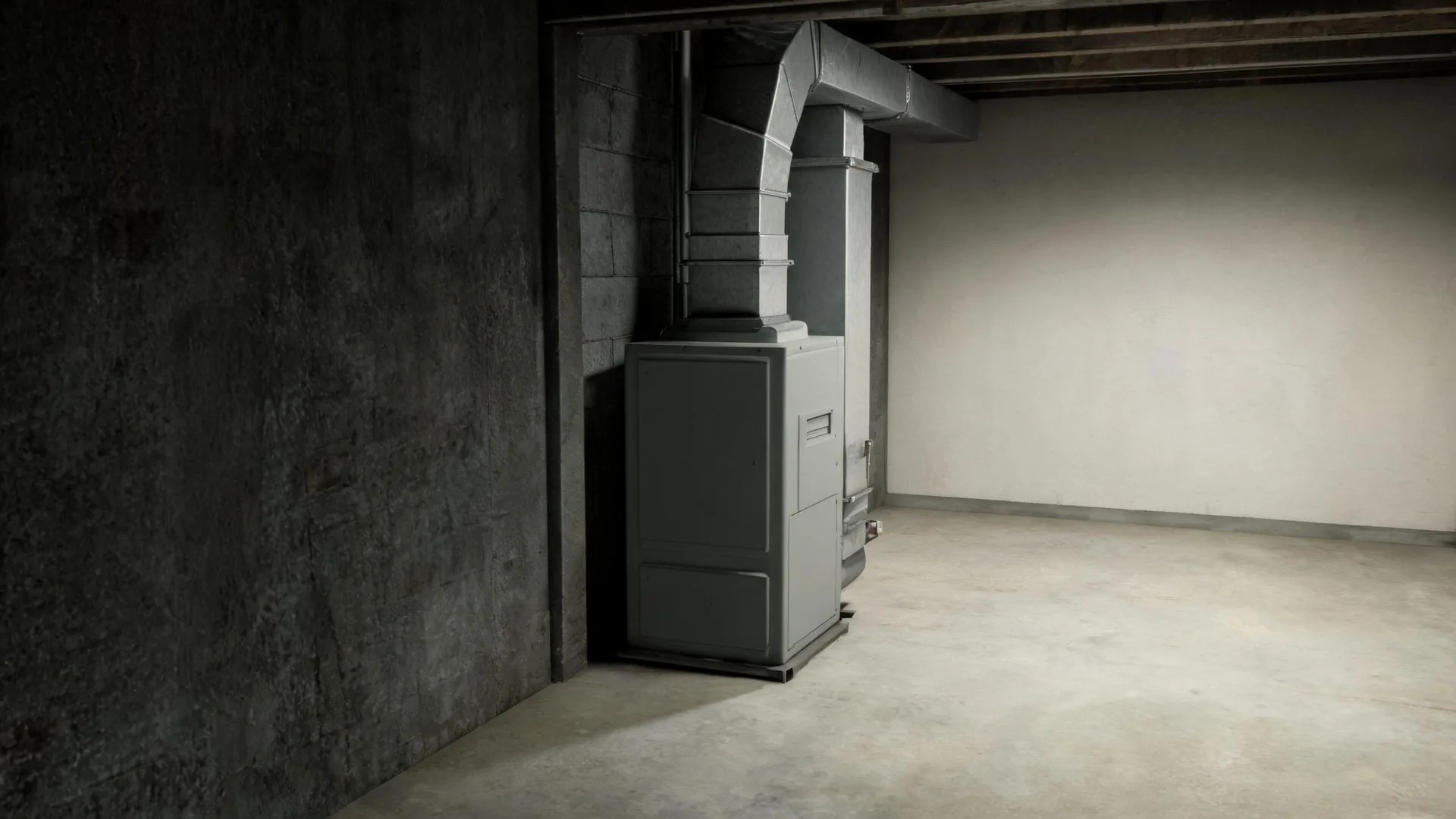
Sizing a furnace for Capitol Planning Region starts with understanding what the burner is actually asked to carry. Homes in Capitol Planning Region, CT run heat about eight months a year, from October through May. A heat exchanger and ignition system that cycle through that kind of continuous demand accumulate wear on a schedule that a marginal install compresses further. A contractor working a quote here has to run a full load calculation rather than pulling a unit size from a previous job, because an undersized furnace running near its limit through a long heating season degrades faster at the ignition components than one matched correctly to the house.
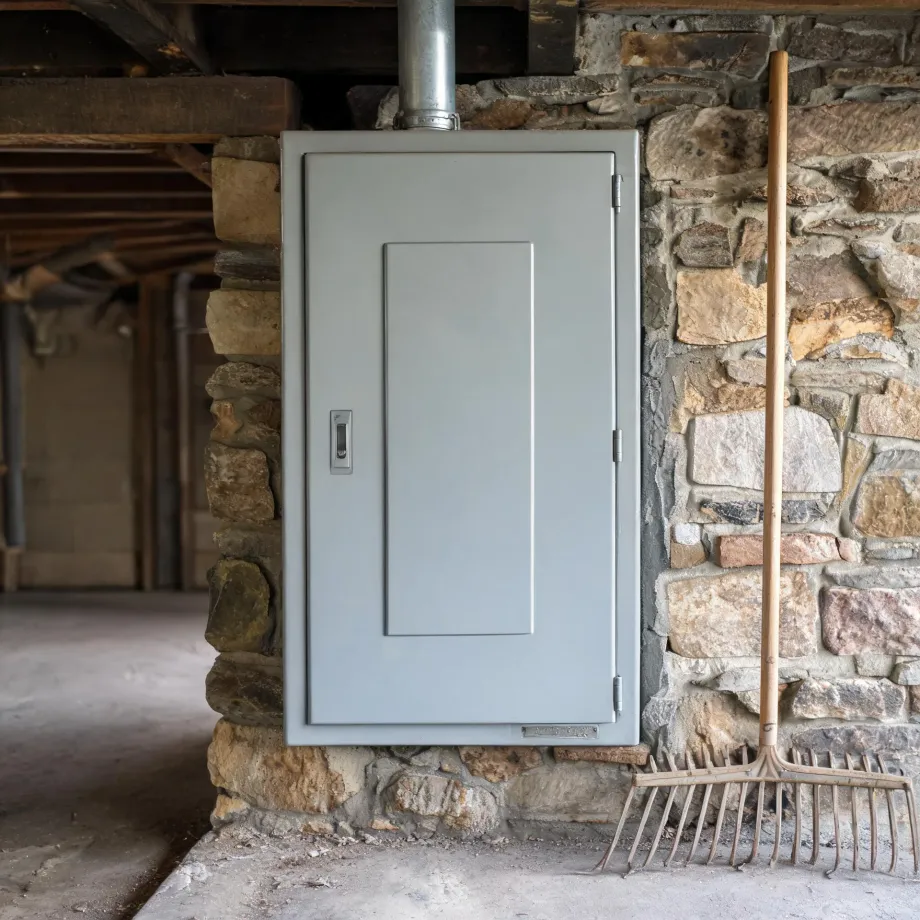
Ductwork laid down for an earlier generation of heating equipment carries assumptions about airflow, trunk sizing, and branch layout that a new furnace may not share. Half the homes in Capitol Planning Region, Connecticut were built in 1966 or earlier (2020-2024 ACS 5-year). A contractor installing a furnace in a house like this opens the plenum and the main runs before pricing anything else, because what looks like a drop-in replacement sometimes calls for rebalancing or resizing the distribution system to match what the new unit actually moves. The electrical side gets the same check: service capacity and circuit routing matter when modern furnaces draw differently than what the house was originally wired around.
What Gets Installed With a New Furnace
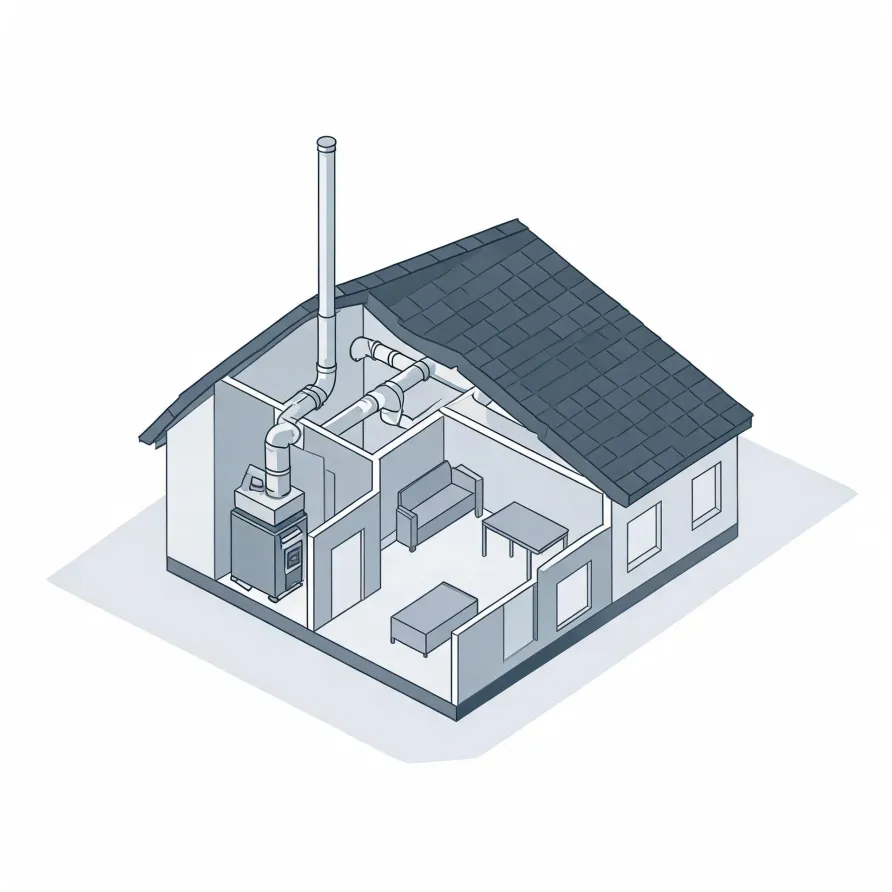
The furnace itself sits in the basement, utility room, or garage and is the heart of what a contractor installs. Inside it, a burner assembly ignites the fuel, a heat exchanger warms the air that moves through the house, and a blower motor pushes that air into the supply side of the duct system.
A flue pipe runs from the furnace up and out of the house, carrying combustion gases away from the living space. Alongside that, a contractor installs the thermostat on an interior wall, connecting it to the furnace so the two can communicate and the system runs on demand.
The drawing shows a typical layout, and a licensed contractor determines exactly which components apply to your house.
Find a contractor in Capitol Planning RegionCapitol Planning Region, CT, by the numbers
Half the homes in Capitol Planning Region, Connecticut were built in 1966 or earlier (2020-2024 ACS 5-year).
U.S. Census Bureau, 2020-2024 American Community Survey 5-Year EstimatesCapitol Planning Region, Connecticut holds 416,559 housing units (2020-2024 ACS 5-year).
U.S. Census Bureau, 2020-2024 American Community Survey 5-Year EstimatesOwners occupy 65.7% of the occupied homes in Capitol Planning Region, Connecticut (2020-2024 ACS 5-year).
U.S. Census Bureau, 2020-2024 American Community Survey 5-Year EstimatesFurnace Installation Rules & Standards for Capitol Planning Region, Connecticut5 sourced codes and standards
What the Installation Actually Looks Like
Non-weatherized gas furnaces manufactured on or after November 19, 2015 must reach 80.0 percent AFUE.
Non-weatherized oil-fired furnaces manufactured on or after November 19, 2015 must reach 83.0 percent AFUE.
Mobile home gas furnaces manufactured on or after November 19, 2015 must reach 80.0 percent AFUE.
Non-weatherized gas furnaces manufactured on or after December 18, 2028 must reach 95.0 percent AFUE, up from the 80.0 percent minimum that applies to units manufactured before that date.
Licensing Rules for HVAC Work in Capitol Planning Region, Connecticut
Connecticut requires a state licence to perform, or to advertise, heating, piping and cooling work: no person may practise an occupation this chapter covers without first obtaining one.